A viral social media post declaring that “Sean Hannity is leaving” has ignited intense discussion across political circles, drawing millions of views and thousands of comments from supporters and critics alike.
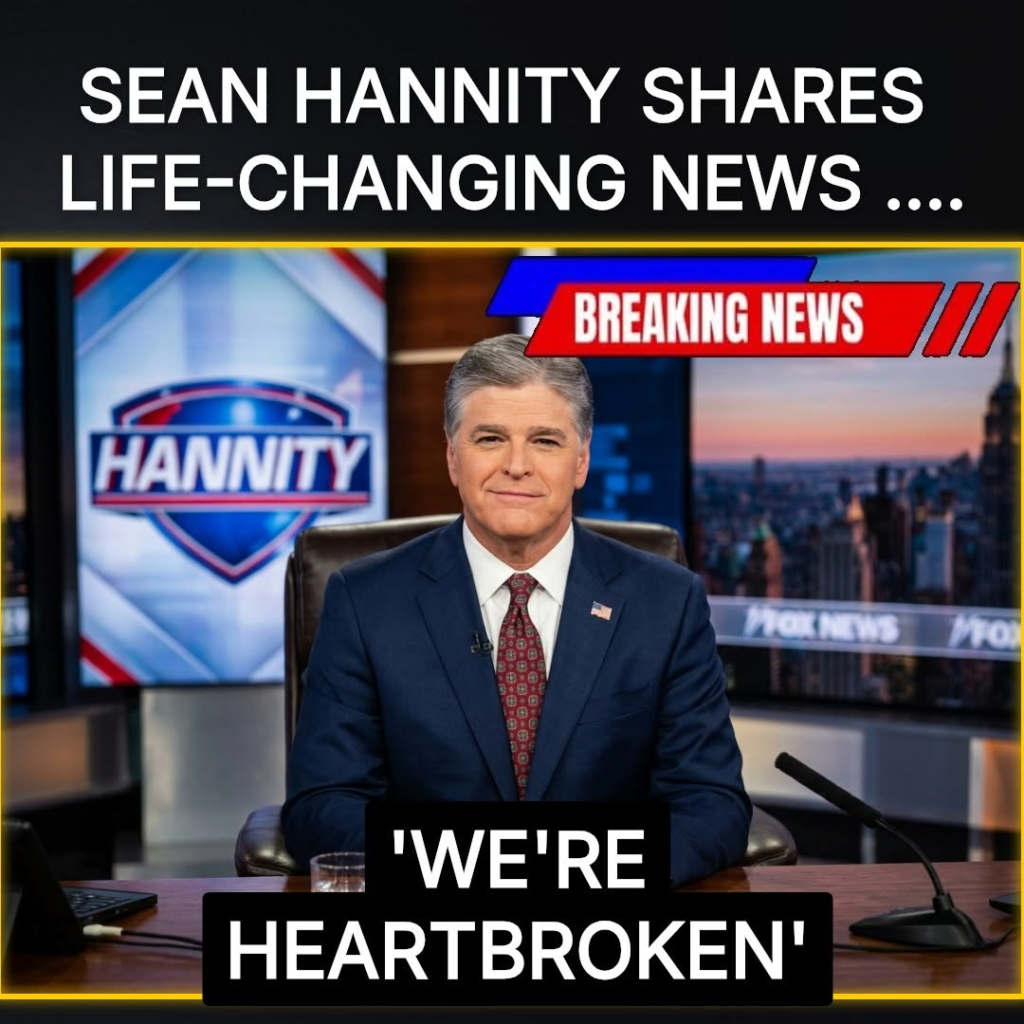
The post, written in highly emotional language, described the development as a “war for the truth” and portrayed Hannity’s alleged departure as a major blow against what it called a “radicalized elite.” Within hours, supporters were sharing the message across multiple platforms, while skeptics questioned both its accuracy and its motives.
Yet amid the heated rhetoric, one critical question emerged:
What exactly is Sean Hannity leaving?
The answer, at least based on publicly available information, appears far less dramatic than many viral posts suggest.
Recent announcements indicate that Hannity is expanding his media presence through new projects, including a long-form podcast called “Hang Out with Sean Hannity,” rather than stepping away from the public spotlight altogether. Fox News Media has described the podcast as part of a broader expansion into digital and new-media platforms.
Still, the viral reaction reveals something much larger than a misunderstanding about one television personality. It highlights the growing political polarization that increasingly shapes how Americans consume news, interpret events, and engage with public figures.
The Power of a Headline
The social media era has transformed the way information spreads.
A carefully researched article may take hours to read and evaluate. A dramatic headline, however, can travel across the internet in seconds.
The phrase “HE IS LEAVING” was enough to trigger immediate speculation among followers and critics of Hannity. For some, it suggested he was leaving Fox News. For others, it implied a broader departure from mainstream media.
Many users shared the post before verifying its claims.
That phenomenon is hardly unique.
Media analysts have long observed that emotionally charged content often spreads faster than nuanced reporting. Posts that invoke fear, outrage, patriotism, or anger tend to generate stronger engagement because they provoke immediate reactions.
In this case, the language used was designed to create a sense of urgency and conflict. Terms such as “war,” “radicalized elite,” “lawless control,” and “historic moment” framed the issue as a battle between opposing forces rather than a straightforward media development.
The result was predictable: attention.
Hannity’s Influence in Conservative Media
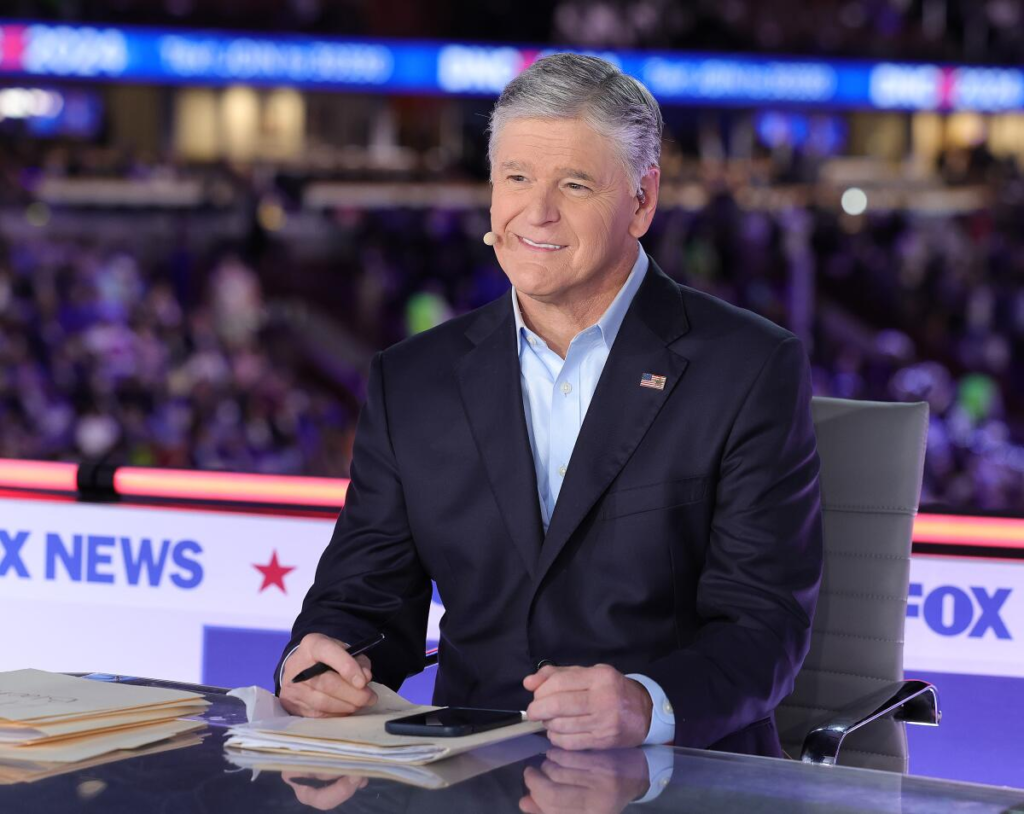
Whether admired or criticized, Sean Hannity remains one of the most influential figures in American conservative media.
For decades, he has maintained a prominent presence through television, radio, and political commentary. His audience spans millions of viewers and listeners who regard him as a trusted voice on issues ranging from elections and immigration to foreign policy and cultural debates.
His influence extends beyond traditional broadcasting.
In recent years, media personalities across the political spectrum have increasingly embraced podcasts and digital platforms to reach audiences directly. Hannity’s latest venture follows a broader trend in which established broadcasters seek to expand beyond cable television and traditional radio formats.
According to announcements from Fox News Media, the new podcast aims to feature longer, less structured conversations with guests from politics, sports, business, and culture.
Rather than representing a retreat from media, the move appears to reflect a changing media landscape where audiences increasingly favor on-demand content.
The Shift Toward New Media
The controversy surrounding the viral post also highlights a larger transformation occurring throughout the media industry.
Cable news continues to face challenges as younger audiences migrate toward streaming platforms, podcasts, YouTube channels, and independent creators.
Major media organizations have responded by investing heavily in digital expansion.
Fox News, CNN, MSNBC, and numerous independent commentators have all launched podcasts and streaming initiatives in an effort to meet audiences where they already spend their time.
Hannity’s podcast launch fits squarely within this trend. Industry observers have described it as part of a broader effort to adapt to changing consumer habits rather than a sign of withdrawal from public life.
The distinction matters.
A headline suggesting someone is “leaving” may imply decline, resignation, or retreat. Expanding into new media, however, often signals the opposite: adaptation and growth.
Why the Story Resonated
The viral response cannot be explained solely by Hannity’s career.
It also reflects the emotional climate of contemporary politics.
For many Americans, media figures have become symbolic representatives of broader ideological movements.
Supporters may view them as defenders of their values.
Opponents may see them as contributors to political division.
As a result, developments involving prominent personalities often generate reactions that go far beyond the facts themselves.
The social media post framed Hannity’s situation as part of a larger struggle for America’s future. Such framing appeals to audiences who already feel that political and cultural institutions are engaged in an ongoing battle over national identity.
Whether one agrees with that perspective or not, its emotional power is undeniable.
People are more likely to engage with stories that reinforce their existing beliefs.
That tendency is not limited to one political side.
Research consistently shows that individuals across the ideological spectrum are more receptive to information that aligns with their worldview and more skeptical of information that challenges it.
The Role of Confirmation Bias
Psychologists refer to this tendency as confirmation bias.
When people encounter information that supports their existing opinions, they are more likely to accept it without scrutiny.
When they encounter contradictory information, they often demand higher levels of evidence.
The viral Hannity post illustrates this dynamic perfectly.
Supporters who already distrust mainstream media may see the message as confirmation of broader concerns about media institutions.
Critics, meanwhile, may dismiss it as another example of political sensationalism.
In both cases, emotional reactions frequently arrive before factual analysis.
That reality creates challenges for journalists, media organizations, and citizens alike.
The speed of modern communication means misinformation, exaggeration, and speculation can spread long before clarification arrives.
A Lesson in Media Literacy
Perhaps the most important takeaway from the controversy has little to do with Sean Hannity himself.
Instead, it concerns how people evaluate information.
In an age when anyone can publish content instantly, media literacy has become increasingly important.
Readers must learn to ask basic questions:
Who is making the claim?
What evidence supports it?
Is the source credible?
Are independent outlets reporting the same information?
Has the claim been verified?
These questions may seem simple, but they are often overlooked when stories trigger strong emotional reactions.
The Hannity episode serves as a reminder that viral content is not necessarily accurate content.
Popularity does not equal reliability.
Engagement does not equal truth.
The Bigger Picture
Ultimately, the debate surrounding Sean Hannity’s alleged departure reveals much about modern America.
The story sits at the intersection of politics, media, technology, and public trust.
It demonstrates how quickly narratives can spread online.
It illustrates the growing influence of digital platforms.
And it underscores the deep political divisions that shape public discourse.
Whether one views Hannity as a champion of conservative values or a controversial media figure, his continued relevance is difficult to deny.
The reaction to a single viral post shows just how influential media personalities remain in shaping conversations across the country.
At the same time, the episode offers a valuable reminder.
In today’s information environment, the most important question is often not what people are saying.
It is whether what they are saying is true.
And before sharing the next dramatic headline, that may be the question worth asking first.