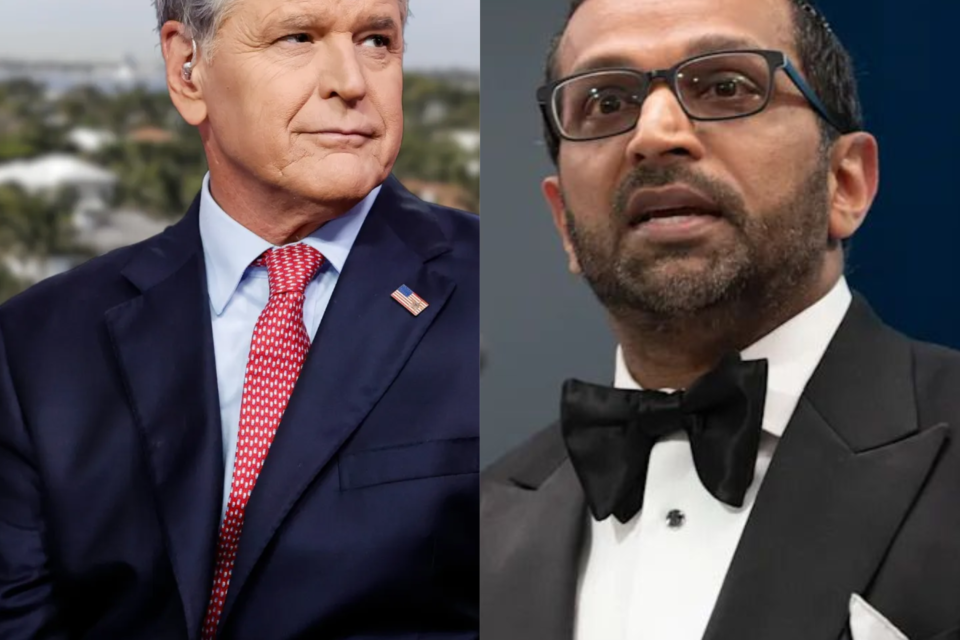
A recent podcast conversation between Sean Hannity and Kash Patel has ignited fresh scrutiny over the handling of a reported abduction case involving Nancy Guthrie. During the exchange, both men appeared to suggest that local authorities may have limited outside involvement in the investigation—remarks that have quickly drawn attention and raised new questions.
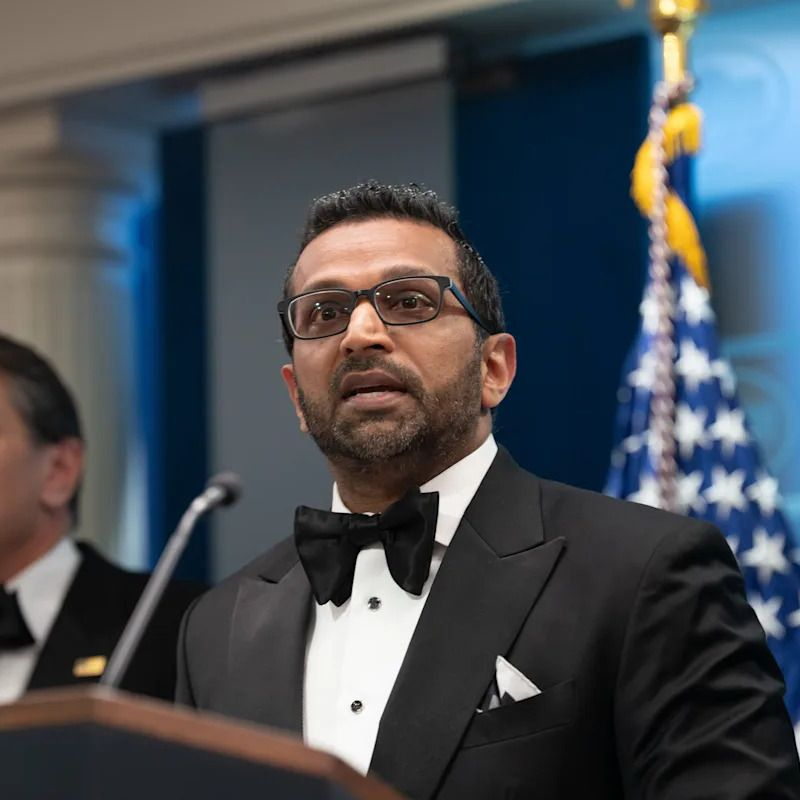
The discussion, which unfolded on Hannity’s podcast, centered on frustrations regarding access to information and coordination with law enforcement. Hannity claimed he had been told by sources that media figures were being deliberately kept at a distance. Patel’s brief but pointed response—“They did”—seemed to affirm that perception.
While the comments were not accompanied by detailed evidence, they have nonetheless amplified interest in how the case has been managed by the Pima County Sheriff’s Department under the leadership of Chris Nanos.
A Case Under the Microscope
The reported disappearance of Nancy Guthrie has already attracted public concern, but the podcast remarks have added a new dimension: the question of transparency.
In high-profile investigations, it is not uncommon for law enforcement agencies to tightly control the flow of information. Authorities often limit public disclosures to protect the integrity of the case, avoid compromising evidence, and prevent misinformation from spreading. However, such restrictions can sometimes be interpreted as a lack of openness—particularly when outside parties believe they have relevant information.
The tension highlighted in the podcast appears to reflect this broader challenge: balancing investigative confidentiality with public accountability.
Understanding Law Enforcement Protocols
Experts in criminal investigations note that restricting access—even to media figures or external contacts—is standard practice in sensitive cases. Agencies like the Pima County Sheriff’s Department are typically guided by protocols designed to:
- Protect witnesses and potential victims
- Preserve the integrity of evidence
- Prevent interference from unofficial sources
- Avoid premature conclusions that could mislead the public
From this perspective, limiting outside involvement may not indicate wrongdoing but rather adherence to procedure.
At the same time, when prominent voices such as Hannity and Patel suggest exclusion, it can shape public perception, especially among audiences already inclined to question institutional transparency.
The Role of Media in Active Investigations
The exchange also highlights the complicated relationship between media personalities and ongoing criminal investigations. Figures like Sean Hannity wield significant influence, and their commentary can bring attention to cases that might otherwise receive limited coverage.
However, law enforcement agencies are not obligated to share information with media outlets beyond official statements. In fact, doing so selectively could create legal and ethical complications.
This inherent tension—between the media’s desire for access and authorities’ need for control—often becomes more visible in high-profile or emotionally charged cases.
Kash Patel’s Position and Public Interpretation
Kash Patel has previously held roles connected to national security and intelligence, which lends weight to his public statements. His agreement with Hannity’s assertion, even without elaboration, has been interpreted by some as an implicit critique of how the investigation is being handled.
Yet it is important to note that Patel did not provide specific details or evidence to support the claim. Without additional context, his comment remains open to interpretation.
Silence from Local Authorities
As of now, there has been no widely reported formal response from the Pima County Sheriff’s Department or Sheriff Chris Nanos addressing the podcast remarks directly.
This silence is not unusual. Law enforcement agencies often avoid engaging in public disputes or responding to commentary while an investigation is ongoing. Doing so could risk revealing sensitive details or escalating tensions unnecessarily.
Public Reaction and Broader Implications
The podcast exchange has sparked debate online, with reactions ranging from concern about transparency to دفاع (defense) of law enforcement procedures. Some observers argue that greater openness could build public trust, while others emphasize the importance of allowing investigators to do their work without external pressure.
The situation underscores a broader issue: how public narratives around criminal cases are shaped not only by official statements but also by influential voices in media and politics.
Separating Speculation from Verified Information
At this stage, much of the discussion surrounding the Nancy Guthrie case—particularly in relation to the podcast comments—remains speculative. No concrete evidence has been publicly presented to suggest misconduct or mismanagement by local authorities.
For observers, this highlights the importance of distinguishing between confirmed facts and interpretations or opinions. High-profile commentary can draw attention, but it does not necessarily provide a complete or accurate picture of complex investigations.
Conclusion
The remarks made by Sean Hannity and Kash Patel have added a layer of controversy to an already sensitive case. While their comments suggest frustration with limited access, they do not, on their own, establish that anything improper has occurred.
What led to this situation appears to be a combination of factors: the natural secrecy of active investigations, the expectations of influential media figures, and the heightened scrutiny that comes with public attention.
As the case develops, clarity will likely depend on official updates from authorities rather than external commentary. Until then, the conversation serves as a reminder of how quickly narratives can form—and how important it is to approach them with careful consideration of both evidence and context.