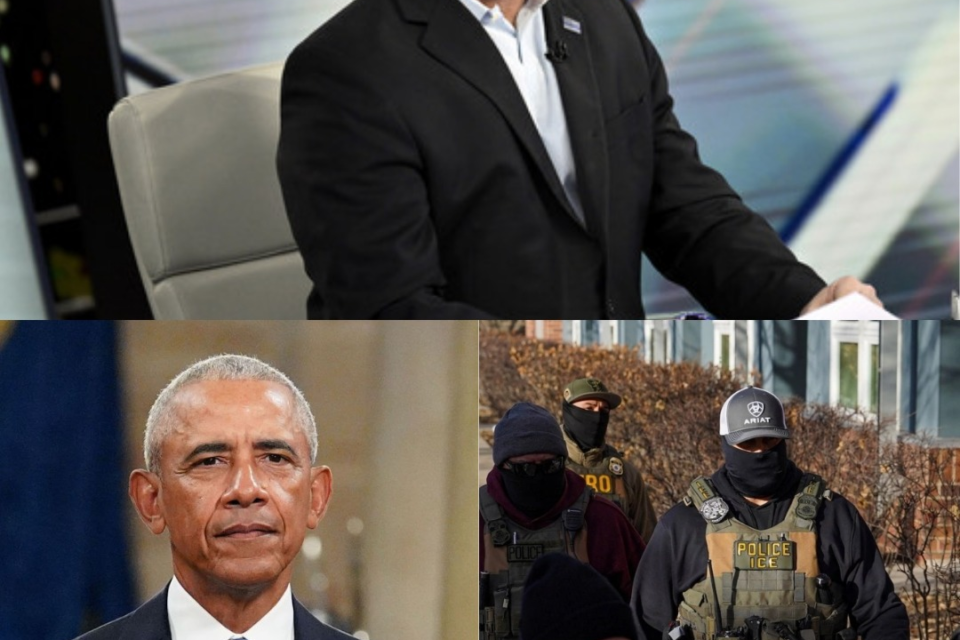
In a media landscape already defined by sharp divisions and high-stakes rhetoric, Sean Hannity has once again ignited a national conversation—this time focusing on rising hostility toward U.S. Immigration and Customs Enforcement, commonly known as ICE.
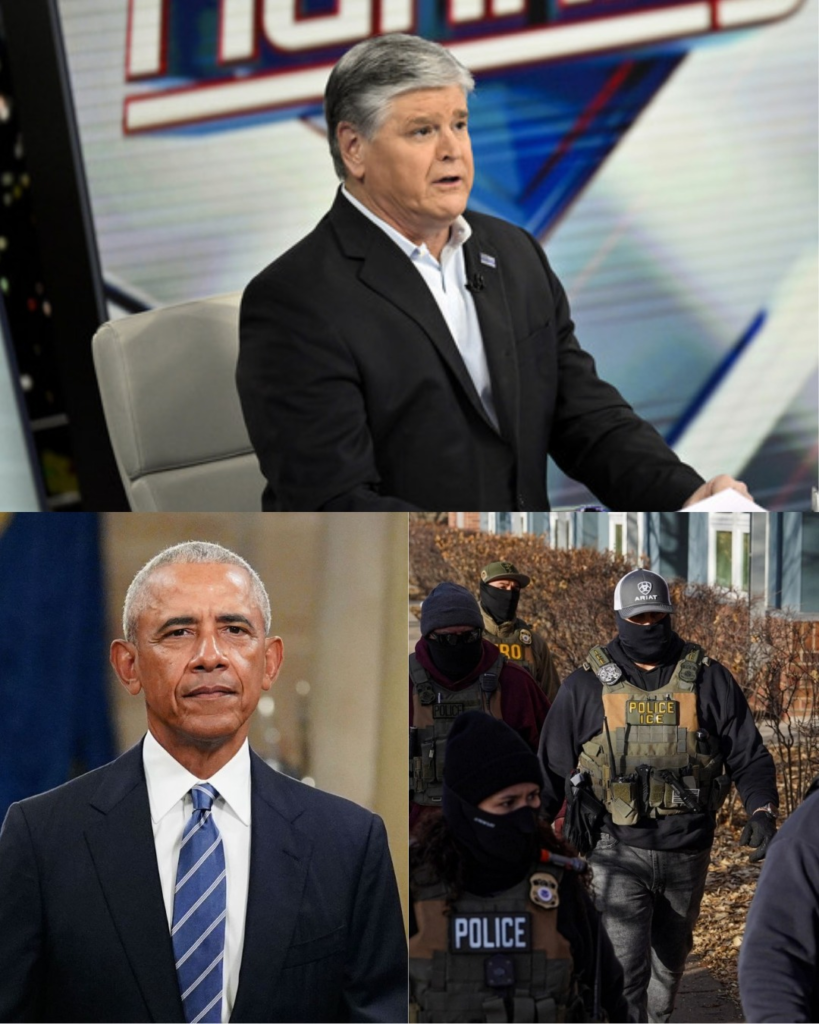
Speaking on his program Hannity, the veteran broadcaster delivered a pointed warning: what is unfolding across the country, he argued, is no longer a typical policy dispute. Instead, he framed it as something deeper and more concerning—a clash over national identity, the role of law enforcement, and the boundaries of political dissent.
His message was direct, and for many, provocative. But beneath the headlines lies a complex and evolving issue that extends far beyond a single broadcast.

A Growing Climate of Tension
In recent years, immigration enforcement has become one of the most polarizing topics in American public life. The role of ICE, in particular, has drawn intense scrutiny from activists, policymakers, and the media.
Criticism of the agency has ranged from calls for reform to demands for its abolition. Protest movements have gained visibility, and debates over enforcement practices—such as detention policies and workplace raids—have sparked emotional and often deeply personal reactions.
At the same time, officials have reported an increase in threats directed at ICE personnel. These incidents have included harassment, online targeting, and, in some cases, credible concerns about physical safety.
For supporters of the agency, this trend represents a dangerous escalation—one that risks undermining not only ICE, but law enforcement more broadly.
Hannity’s Perspective: A Line Being Crossed
On-air, Sean Hannity did not mince words.
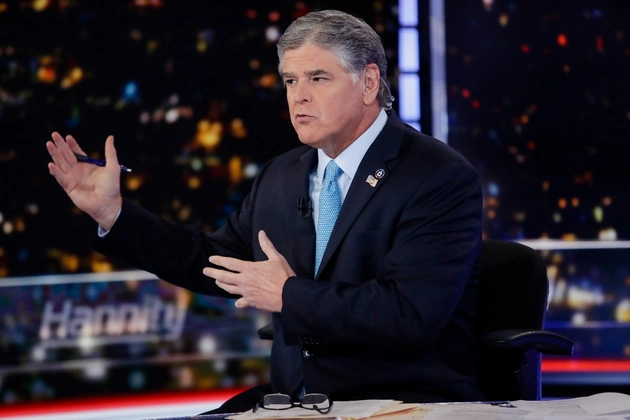
He argued that certain strands of political rhetoric have crossed from criticism into what he views as outright hostility toward law enforcement. In his framing, language that portrays ICE agents in extreme or dehumanizing terms contributes to an environment where threats become more likely.
According to Hannity, the issue is not whether people agree or disagree with immigration policy. Debate, he acknowledged, is part of a healthy democracy. The concern, he emphasized, is when that debate shifts into something more adversarial—something that targets individuals rather than ideas.
He warned that failing to push back against such rhetoric could send a troubling signal about societal norms and acceptable behavior.
The Broader Debate Over Immigration
At the heart of this controversy lies a longstanding and deeply rooted policy debate.
Supporters of ICE argue that the agency plays a critical role in enforcing federal law, combating human trafficking, and maintaining national security. From this perspective, criticism that undermines ICE risks weakening the rule of law itself.
Critics, however, offer a different view.
Many advocacy groups and political leaders have raised concerns about enforcement practices, arguing that certain policies have led to humanitarian consequences. Issues such as family separation, detention conditions, and deportation procedures have become focal points of criticism.
For these voices, strong opposition to ICE is not about rejecting law enforcement—it is about demanding accountability and reform.
Rhetoric and Its Consequences
One of the central questions raised by this moment is the role of rhetoric in shaping real-world outcomes.
Does heated language contribute to escalating tensions? Or is it a reflection of underlying frustrations that have yet to be addressed?
For Sean Hannity, the answer is clear. He has consistently argued that words matter—that repeated negative portrayals of law enforcement can influence public perception and behavior.
Others, however, caution against drawing a direct line between rhetoric and violence. They argue that focusing too heavily on language risks overlooking systemic issues that drive public anger in the first place.
This debate is unlikely to be resolved easily. It touches on fundamental questions about free speech, responsibility, and the limits of political expression.
A Nation Divided on Values
What makes the current situation particularly complex is that both sides of the debate often frame their positions in terms of core national values.
For those aligned with Hannity’s perspective, supporting ICE is tied to principles of law, order, and sovereignty. It reflects a belief that borders must be enforced and that those tasked with that responsibility deserve protection and respect.
For critics, challenging ICE is connected to values of human rights, fairness, and compassion. It reflects a belief that enforcement must be balanced with ethical considerations and that institutions should be held accountable.
These are not superficial disagreements. They are rooted in deeply held beliefs about what the country stands for—and what it should become.
The Media’s Role in Shaping the Narrative
In an age of constant information flow, media figures play a powerful role in shaping how issues are understood.
Programs like Hannity reach millions of viewers, influencing not only opinions but also the framing of national conversations. At the same time, other outlets present alternative perspectives, highlighting different aspects of the same issue.
This fragmented media environment means that audiences are often exposed to sharply contrasting narratives. For some, Hannity’s warnings resonate as a necessary defense of law enforcement. For others, they may appear as an oversimplification of a more nuanced issue.
The result is a landscape where consensus is difficult to achieve—and where debates can quickly become polarized.
The Human Element
Lost in much of the rhetoric are the individuals at the center of the issue.
ICE agents, like other law enforcement officers, operate within a system shaped by policy decisions made at higher levels. They face risks in their daily work, as well as scrutiny from the public.
At the same time, immigrants and their families experience the impact of enforcement policies in deeply personal ways. Their stories—of separation, uncertainty, and resilience—are an essential part of the broader conversation.
Understanding the issue in its entirety requires acknowledging both perspectives.
The Risk of Escalation
As tensions continue to rise, there is growing concern about the potential for further escalation.
When public discourse becomes increasingly polarized, it can create an environment where compromise feels out of reach. Positions harden, trust erodes, and the space for constructive dialogue narrows.
This is the context in which warnings like those from Sean Hannity gain traction. They reflect a fear—not only about current conditions, but about where those conditions might lead.
Looking Forward
The path ahead is uncertain, but several factors will likely shape how the situation evolves.
Policy decisions at the federal level will play a significant role, particularly in addressing concerns raised by both supporters and critics of ICE. Efforts to increase transparency and accountability may influence public perception.
At the same time, the tone of public discourse will matter. Whether leaders and commentators choose to amplify division or seek common ground could have lasting effects.
For now, the conversation remains intense—and unresolved.
Conclusion: More Than a Political Moment
What began as a segment on a cable news program has become part of a much larger narrative.
It is a narrative about how a nation grapples with difficult questions.
About how institutions are challenged and defended.
And about how language, belief, and identity intersect in shaping public life.
Whether one agrees with Sean Hannity or not, his remarks highlight a reality that cannot be ignored:
The debate over immigration, enforcement, and national values is not just ongoing—it is intensifying.
And how it is navigated in the months and years ahead may have consequences that extend far beyond any single headline.