The release of approximately 3.5 million pages of documents tied to Jeffrey Epstein was expected to mark a historic turning point—an opportunity to finally bring clarity, accountability, and closure to one of the most controversial cases in modern history. After years of speculation, legal battles, and mounting public pressure, the масштаб of the disclosure seemed to signal that the truth, at last, would be fully revealed.

But instead of closing the chapter, the massive document release has done something quite different: it has reopened the story—and raised even more troubling questions.
A Vast Archive, Yet Incomplete
At first glance, the scale of the release is staggering. Millions of pages, spanning years of investigations, testimonies, and legal proceedings, should, in theory, provide a comprehensive picture of Epstein’s network, activities, and the institutions involved.
However, investigators and analysts have since pointed out a critical issue: despite the volume, the release may not be complete.
Reports indicate that dozens of key pages—particularly sensitive FBI interview records—were not included in the disclosure. These are not minor omissions. Interview transcripts often contain firsthand accounts, crucial leads, and connections that help investigators piece together the broader narrative.
Without them, the public is left with a fragmented story—one that invites more doubt than certainty.
The Growing Demand for Transparency
As concerns over the missing documents grow, public figures have begun to weigh in, amplifying calls for full transparency. Among them, Karoline Leavitt has emerged as a notable voice, stating that the public “deserves the full truth.”
Her statement reflects a broader sentiment that is rapidly gaining momentum: skepticism.
In an era where information is both abundant and contested, partial disclosures can sometimes be more damaging than silence. When authorities release vast amounts of data but leave out key elements, it can create the perception that something is being deliberately concealed—even if there are legitimate reasons behind those decisions.
The Questions That Won’t Go Away
The situation has led to a series of pressing questions that remain unanswered:
- If millions of pages were released, why were certain documents withheld?
- Who made the decision to exclude these materials—and based on what criteria?
- And perhaps most importantly, what else remains hidden from public view?
These are not just procedural concerns. They strike at the heart of public trust.
Transparency is not simply about quantity; it is about completeness and consistency. When gaps appear, they undermine confidence in the entire process.
The Fine Line Between Protection and Disclosure
To be fair, there are legitimate reasons why certain documents might be withheld. Authorities may seek to protect the identities of victims or witnesses, safeguard ongoing investigations, or prevent the release of information that could cause harm if taken out of context.
But this is where the challenge lies: balancing necessary confidentiality with the public’s right to know.
In high-profile cases like this one, that balance becomes especially delicate. Too much secrecy can fuel suspicion and conspiracy theories. Too much openness, on the other hand, can risk harming innocent individuals or compromising justice.
So far, critics argue that the balance may not have been handled effectively.
A Case That Refuses to Close
What was intended to bring closure has instead prolonged the life of the case in public discourse. Social media platforms, news outlets, and online forums are once again filled with debates, theories, and renewed scrutiny.
This phenomenon highlights a key reality of the information age: when facts are incomplete, speculation fills the void.
And speculation, once unleashed, is difficult to contain. It can distort perceptions, damage reputations, and shift focus away from verified truths.
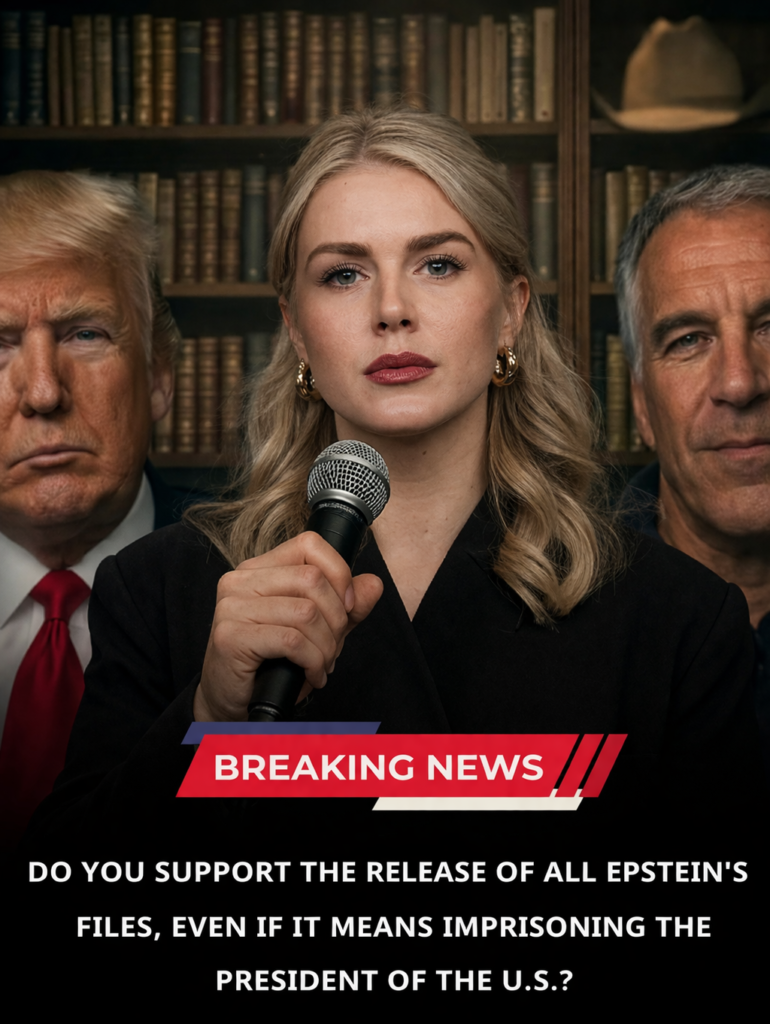
The Role of Media in a Fragmented Narrative
In this environment, the role of the media becomes more important than ever. Responsible journalism requires not only reporting what is known but also clearly distinguishing between confirmed facts and unverified claims.
The temptation to sensationalize or draw conclusions from incomplete data is strong—especially in a case as high-profile as this. But doing so risks deepening confusion rather than clarifying it.
A careful, evidence-based approach is essential if the public is to navigate the complexity of the Epstein files without being misled.
What Comes Next?
Looking ahead, the central issue is no longer just what has been released—but what will happen next.
Will there be additional disclosures to address the missing pieces?
Will officials provide a clear explanation for the withheld documents?
And can public trust be restored in the process?
The answers to these questions will likely determine how this chapter is ultimately remembered—not just as a scandal, but as a test of institutional transparency.
Conclusion: The Truth Remains Elusive
In the end, what the public seeks is not simply volume, but clarity.
The Epstein case has long symbolized deeper concerns about power, accountability, and the limits of justice. The release of millions of documents was supposed to bring those issues into sharper focus.
Instead, it has blurred the lines even further.
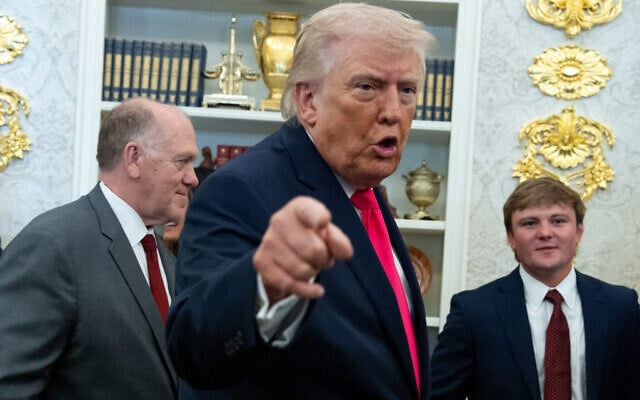
As voices like Karoline Leavitt continue to call for “the full truth,” the pressure for complete transparency is unlikely to fade. If anything, it will intensify.
Because in a case defined by secrecy and unanswered questions, one thing remains certain: until every piece of the puzzle is revealed, the story is far from over.