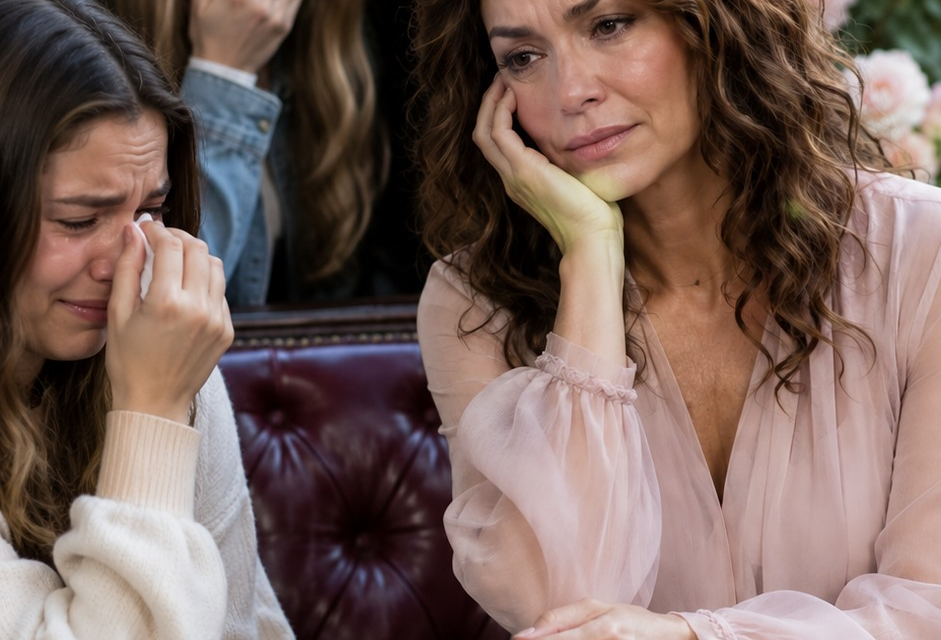
But behind the sparkle of global fame was a woman carrying devastating emotional pain.
Over the years, Shania Twain has openly admitted that some of her most emotional songs were born directly from betrayal, heartbreak, and personal loss. And for fans who have followed her journey closely, that honesty is exactly what made her music feel so deeply real.
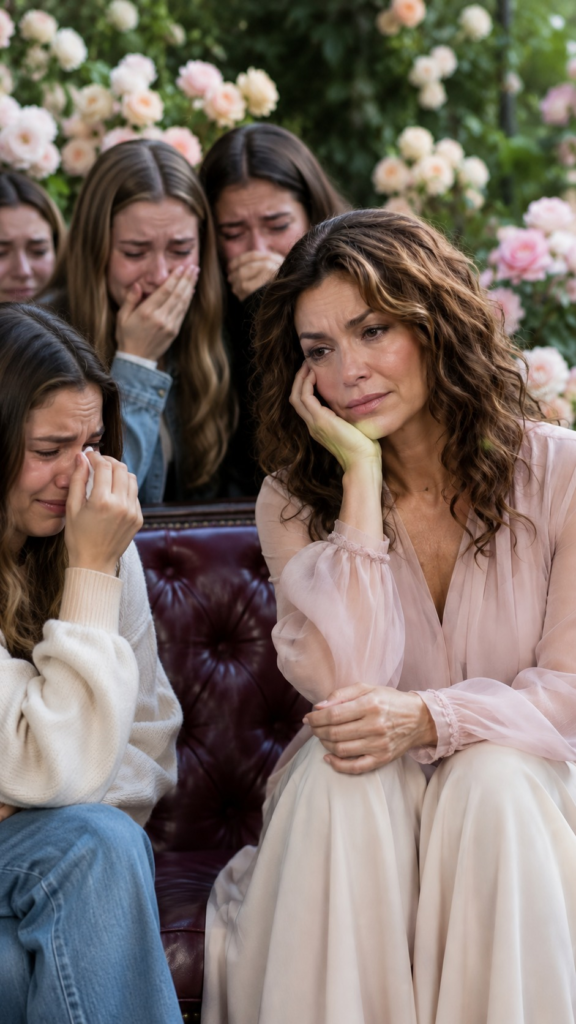
Long before social media made celebrity pain a public spectacle, Twain lived through one of the entertainment industry’s most shocking relationship collapses. Her marriage to legendary music producer Robert “Mutt” Lange — the man who helped shape many of her biggest hits — ended after reports surfaced that he had become involved with one of Twain’s closest friends.
The betrayal devastated her.
In interviews throughout the years, Twain described the emotional aftermath as overwhelming. She struggled with anger, grief, humiliation, and confusion while trying to hold herself together under the glare of international fame. Yet instead of disappearing from music entirely, she did something remarkable: she transformed that pain into art.
And fans could hear every ounce of it.
When listeners revisit many of Shania Twain’s songs today, they often hear them differently than they did decades ago. Lyrics that once sounded romantic or hopeful now carry layers of heartbreak and vulnerability that feel almost haunting in hindsight.
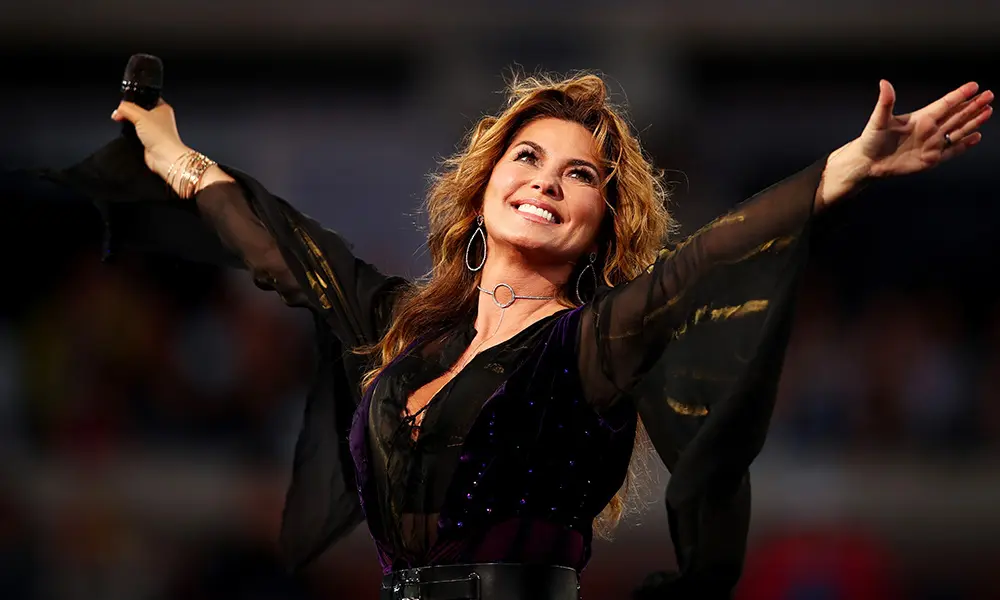
One song frequently mentioned by fans is You’re Still the One, one of the biggest love songs of the 1990s. Originally celebrated as a triumphant declaration of lasting love, the song now feels bittersweet to many listeners who know how Twain’s marriage eventually ended.
Lines about surviving doubt and staying together through hardship suddenly carry a painful irony.
And yet, that emotional complexity may be exactly why the song still resonates so strongly today.
Fans also point to From This Moment On as another emotionally overwhelming track when viewed through the lens of her personal history. What once sounded like pure romantic devotion now feels like a snapshot of hope captured before everything changed.
But perhaps the songs that touch listeners most deeply are the ones written after the heartbreak.
Tracks like Poor Me reveal a far more vulnerable side of Twain than audiences were used to seeing during her peak superstar years. The pain in her voice feels raw and unfiltered, as if listeners are hearing someone trying to process betrayal in real time.
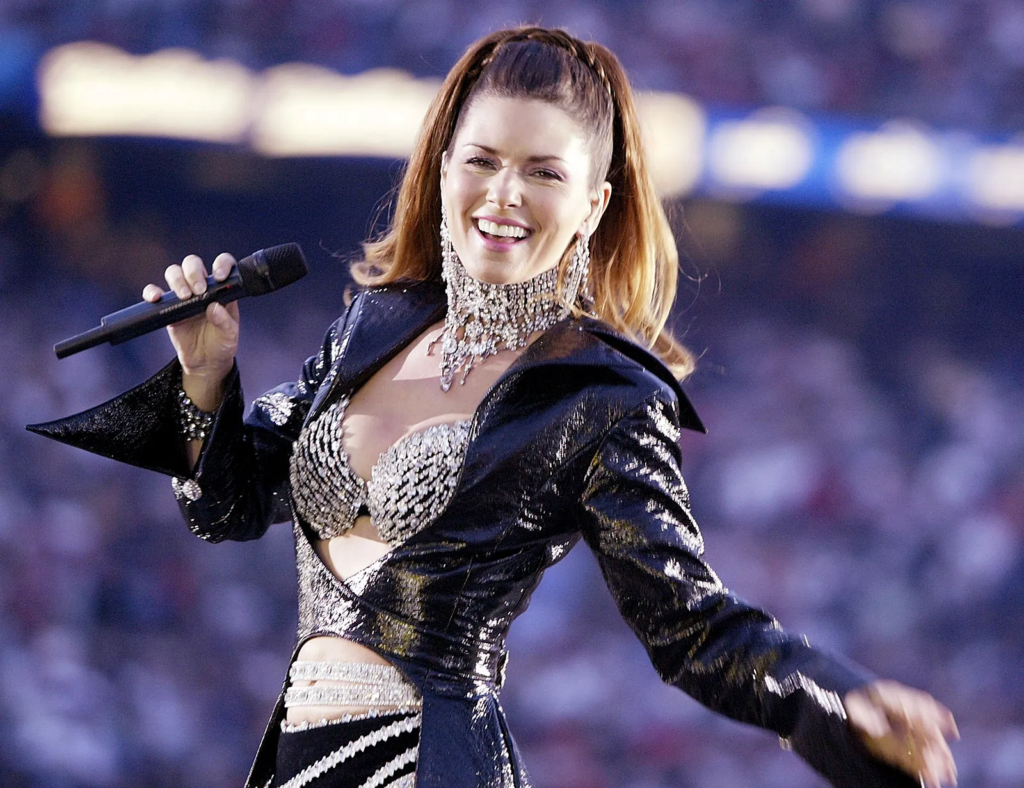
Rather than hiding her suffering behind polished perfection, Twain allowed cracks in the emotion to remain visible.
That honesty became powerful.
Music critics have often noted that Shania Twain’s greatest strength was never simply catchy hooks or glamorous music videos. It was emotional relatability. Even while living a life most people could never imagine, she somehow made listeners feel understood.
Her songs spoke directly to heartbreak, insecurity, rejection, loneliness, and resilience — emotions nearly everyone experiences at some point in life.
And because the pain behind those lyrics was real, audiences felt it.
Social media remains filled with fans sharing stories about how Shania’s music helped them survive divorces, breakups, betrayals, or periods of emotional darkness. Some describe crying to her songs alone in their cars late at night. Others say her music gave them strength after discovering infidelity in their own relationships.
One fan recently wrote online, “When Shania sings about heartbreak, you believe every word because she lived it.”
Another commented, “Her pain made people feel less alone.”
That connection between artist and audience may explain why Twain’s music continues reaching new generations decades after her biggest hits first dominated radio.
Younger listeners discovering her catalog today are often surprised by how emotionally layered the songs truly are. Beneath the polished country-pop production lies a woman wrestling with vulnerability, disappointment, and survival.
Twain herself has spoken openly about how difficult it was to continue functioning emotionally after the collapse of her marriage. At times, she reportedly questioned whether she would ever fully recover personally or creatively.
Adding even more emotional complexity to the story, Twain eventually found love again with Frédéric Thiébaud — the former husband of the very friend involved in the betrayal scandal. The unusual situation shocked fans at the time, but Twain later described their bond as something that grew out of shared pain and mutual healing.
For many supporters, the story became symbolic of resilience rather than revenge.
Instead of allowing heartbreak to destroy her completely, she rebuilt her life piece by piece.
That journey also transformed how audiences interpreted her music.
Songs once viewed purely as romantic ballads now feel like emotional time capsules documenting different chapters of her life — the hope, the love, the devastation, and eventually the recovery.
And perhaps that is why Shania Twain’s music still feels timeless.
Listeners are not just hearing beautifully written songs. They are hearing human experience. They are hearing someone who suffered publicly yet continued moving forward.
That authenticity matters in a music industry often criticized for manufactured emotion and carefully controlled public images.
Twain never pretended heartbreak was glamorous. She never tried to hide the damage betrayal caused. Instead, she allowed herself to be vulnerable in front of millions of strangers.
Ironically, that vulnerability became one of her greatest strengths.
Today, whenever fans debate the most emotional Shania Twain song, there is rarely one universal answer. Some choose the heartbreak hidden inside her love songs. Others connect most deeply with the tracks written during her darkest emotional periods.
But regardless of which song people choose, the reason those songs endure remains the same: they feel honest.
In every lyric, listeners can hear heartbreak.
They can hear anger.
They can hear grief.
But most importantly, they can hear survival.
And that may be the real legacy of Shania Twain’s music.
Not simply that she created hit songs.
But that she transformed personal betrayal into something millions of people could cry to, heal through, and ultimately find strength within themselves to keep going forward.