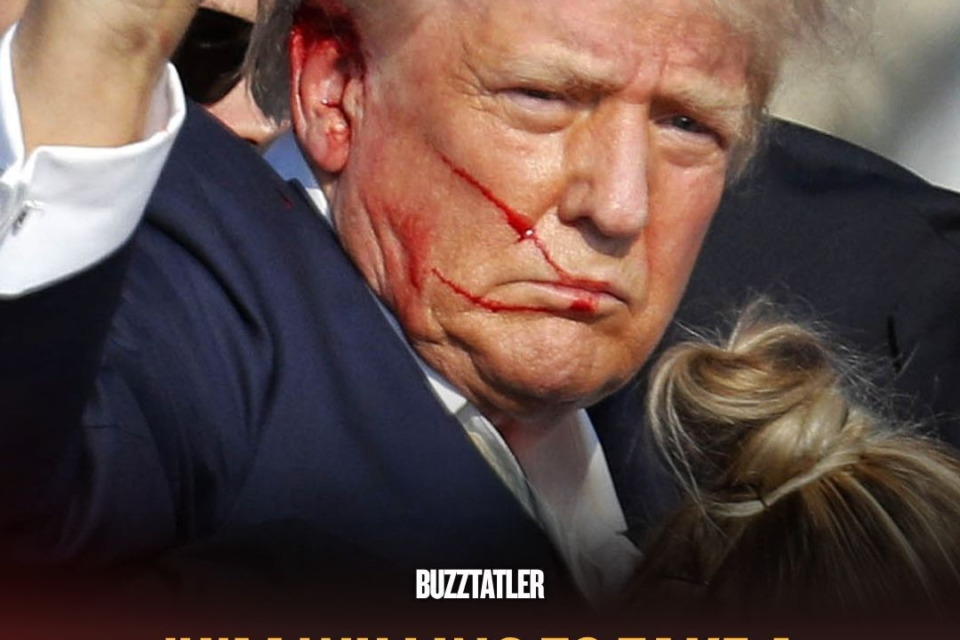
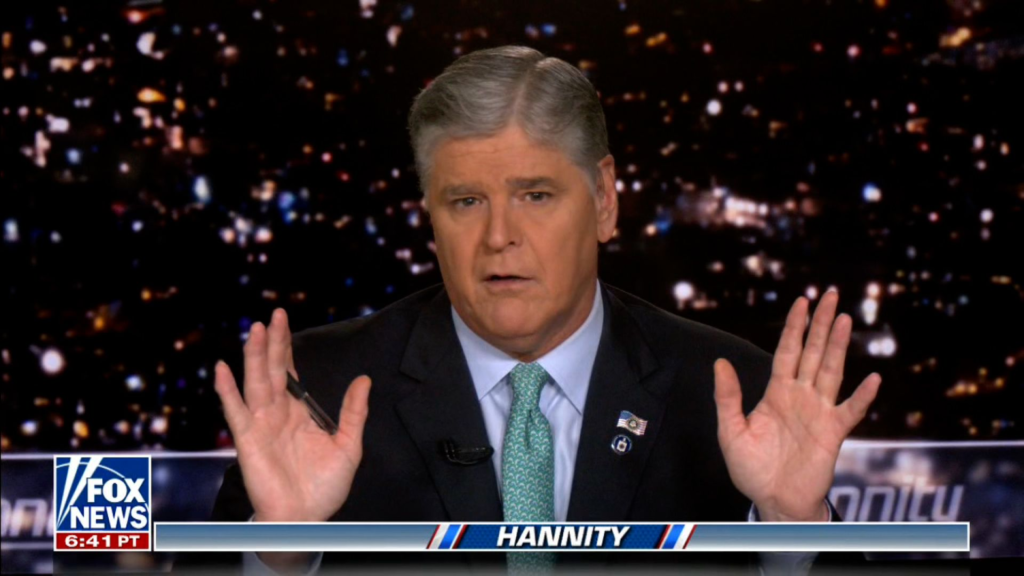
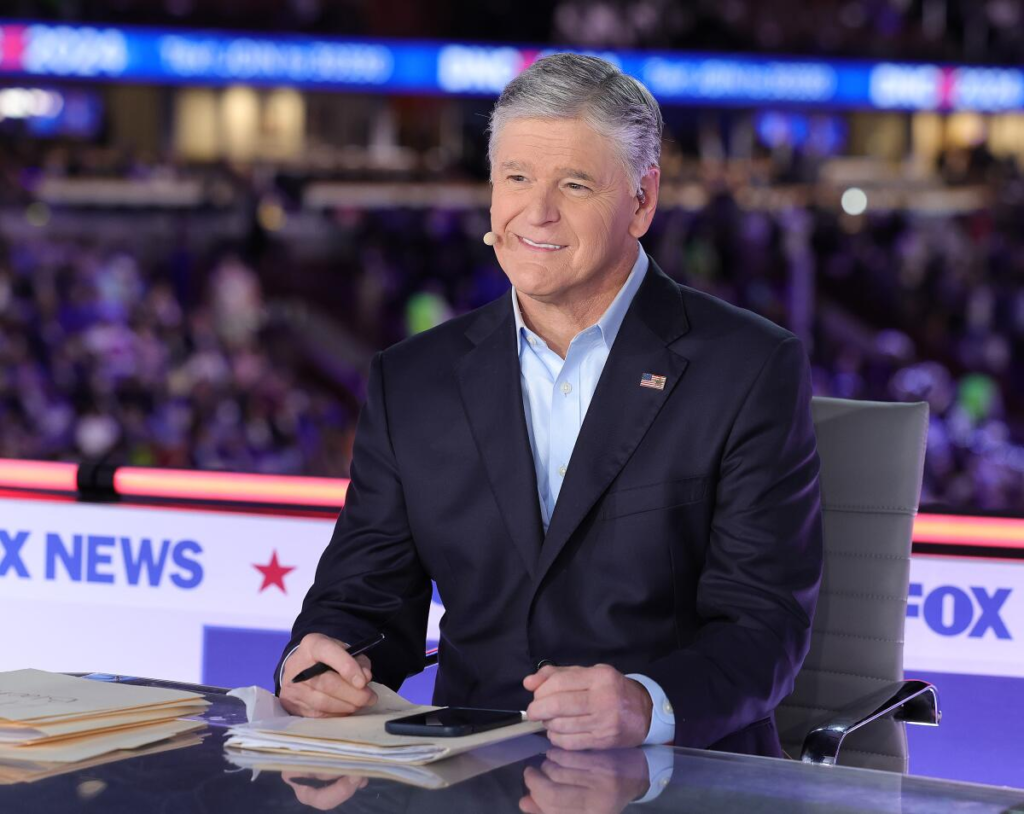
During an emotional interview with Fox News host Sean Hannity on May 15, Trump declared that he is “willing to take a bullet for this country” and insisted that he has “no fear” when it comes to defending America. The comments immediately exploded across social media and cable news, dividing the country between supporters who praised his toughness and critics who accused him of political theater.
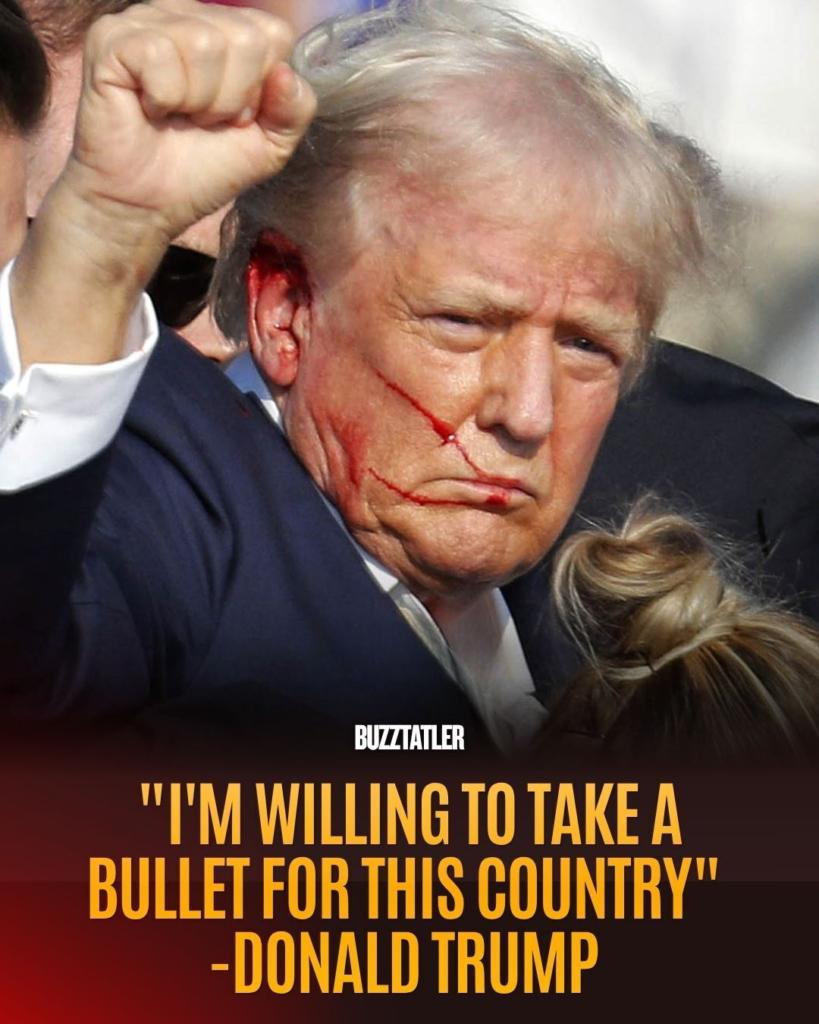
“I’ll take the bullet. I don’t care,” Trump said during the interview. “Somebody’s got to do it.”
For many Americans, the timing made the statement impossible to ignore.
Just weeks earlier, chaos erupted at the White House Correspondents’ Dinner after a gunman allegedly opened fire inside the venue. According to federal investigators, 31-year-old Cole Tomas Allen managed to breach a restricted security area before shots rang out inside the Washington Hilton ballroom. A Secret Service agent was reportedly struck while shielding attendees as panic spread throughout the room.
Trump was immediately rushed out by security personnel and was not injured. Authorities later charged Allen with multiple federal felonies, including attempted assassination of the president.
The terrifying incident marked the third major assassination attempt connected to Trump since 2024.
The most infamous occurred in Butler, Pennsylvania, during a campaign rally that stunned the world. As Trump addressed thousands of supporters outdoors, gunfire suddenly erupted from a nearby rooftop. One bullet grazed Trump’s ear, drawing blood across his face as Secret Service agents tackled him to the ground.
Moments later, Trump rose to his feet, raised his fist into the air, and shouted the now-famous word: “Fight!”
The image instantly became one of the defining political photographs of modern American history. To supporters, it symbolized resilience, defiance, and strength under fire. To critics, it represented the beginning of an even more dangerous cult of political personality surrounding the former president.
A second alleged plot was later foiled near Trump’s Florida golf club, where authorities detained an armed suspect before any shots were fired. Combined with the recent White House Correspondents’ Dinner shooting, the pattern has intensified fears about political violence in America and the growing risks facing public officials.
Trump, however, insists the threats have not shaken him.
“I have no fear,” he told Hannity. “You can’t lead this country being afraid.”
His supporters quickly rallied behind the statement. Conservative commentators described Trump as fearless and compared him to past presidents who survived assassination attempts, including Ronald Reagan and Theodore Roosevelt. Online, pro-Trump users flooded social media with clips from the interview, calling him “the toughest president in modern history.”
One supporter wrote on X, “Three assassination attempts and he still keeps showing up. Love him or hate him, that takes guts.”
Others argued that Trump’s willingness to continue holding public rallies despite repeated threats demonstrates a level of determination few politicians would possess.
But critics responded just as forcefully.
Opponents accused Trump of exaggerating his bravery and turning acts of violence into political branding. Many pointed to footage from the Butler shooting, noting that Trump instinctively ducked behind the podium and was quickly covered by Secret Service agents.
“He reacted like any human being would,” one political analyst said on CNN. “That doesn’t make him weak. But pretending he stood there fearlessly taking bullets is simply not reality.”
Social media users also revived long-running controversies surrounding Trump’s Vietnam-era military deferments, arguing that his rhetoric about sacrifice clashes with his personal history. Memes and sarcastic posts spread rapidly across Reddit and X, mocking the idea that Trump has suddenly transformed into a selfless warrior willing to die for the nation.
Still, communications experts say Trump understands exactly what he is doing.
For nearly a decade, Trump has dominated American politics not only through policy but through spectacle. He has repeatedly demonstrated an ability to transform crises into moments that strengthen his political identity. Every investigation, indictment, protest, or attack against him is reframed as evidence that he is fighting on behalf of ordinary Americans against powerful enemies.
The assassination attempts, analysts argue, have become part of that larger narrative.
To his base, Trump is no longer simply a politician. He is portrayed as a target — a man under constant attack from political opponents, the media establishment, global elites, and now violent extremists. His survival after multiple assassination attempts has only deepened that perception among loyal supporters.
That emotional connection may prove politically powerful heading deeper into the 2026 election season.
The Hannity interview itself originally focused on foreign policy, including escalating tensions involving Iran and growing concerns about global instability. Trump warned that the United States could not allow Iran to obtain nuclear weapons and claimed America must project strength rather than weakness on the world stage.
Yet despite discussions about war, diplomacy, oil prices, and national security, one sentence overshadowed everything else:
“I’ll take the bullet.”
The phrase spread rapidly because it tapped into something much larger than politics. America remains deeply shaken by rising political extremism and growing fears of violence. From attacks on elected officials to threats against judges, journalists, and activists, many Americans believe the country is entering an increasingly dangerous era.
Trump’s words therefore landed in two completely different ways depending on who was listening.
To supporters, it sounded like courage.
To critics, it sounded like performance.
But regardless of interpretation, the statement achieved something Trump has mastered throughout his political career: it forced the entire country to react.
For years, Trump has demonstrated an unmatched ability to dominate the national conversation with a single sentence, image, or confrontation. Whether through outrage, admiration, controversy, or shock, he consistently keeps himself at the center of American political life.
And perhaps that is the real significance of his comments.
The debate is no longer simply about whether Trump is brave or theatrical. It is about how modern politics increasingly rewards emotional symbolism over substance. In today’s America, dramatic statements travel faster than policy proposals, and powerful imagery often shapes public perception more than facts.
Trump understands that better than almost anyone.
The question now is whether the country itself is becoming dangerously comfortable with the language of bullets, assassination, and political violence becoming part of everyday political discourse.