The latest comments from Donald Trump during a conversation with Sean Hannity may have revealed more about his priorities than any campaign speech ever could.
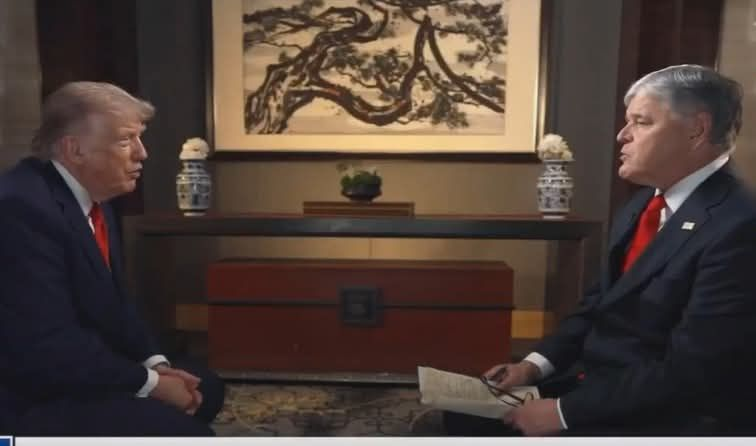
At a time when millions of Americans are struggling to afford groceries, rent, insurance, and skyrocketing fuel prices, Trump appeared frustrated not about the economic pain itself — but about the fact that he supposedly cannot publicly celebrate the financial upside of war without sounding politically toxic.
And the wording he chose has sparked outrage across social media.
Trump complained that he did not want to openly say “we’re making a fortune” because people would accuse him of forgetting “the little man with the $4 gasoline.”
That sentence alone instantly ignited backlash online. Critics saw it as one of the clearest examples yet of Trump’s detachment from ordinary Americans — a wealthy political figure casually referring to struggling citizens as “the little man” while discussing massive profits connected to global conflict and rising oil prices.
For many Americans already exhausted by inflation and political chaos, the comments landed like gasoline on a fire.
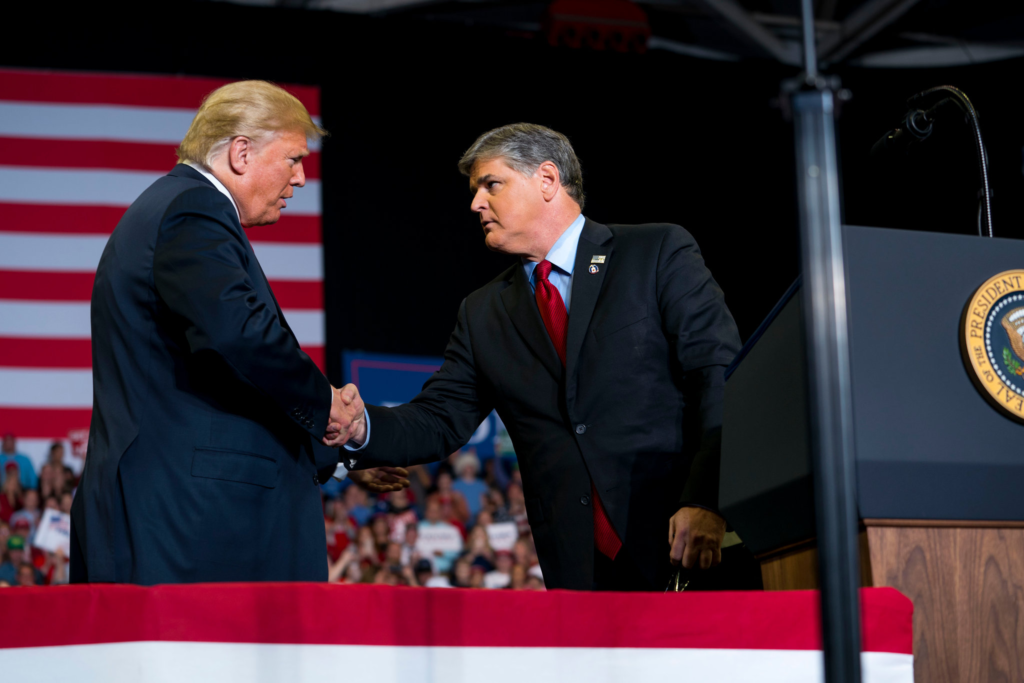
“The Little Man”? Americans Hear Condescension, Not Concern
Social media erupted almost immediately after clips and quotes from the exchange began circulating online.
Many users focused not only on Trump discussing profits during wartime tensions, but on the deeply condescending tone embedded in the phrase “the little man.”
To critics, the wording sounded less like empathy and more like the language of someone who views working Americans as background characters in a larger game dominated by billionaires, corporations, and political insiders.
The average American family is not worried about geopolitical strategy points or stock market spikes.
They are worried about whether they can afford to fill their gas tank before payday.
They are worried about food prices that continue climbing month after month.
They are worried about choosing between paying utility bills and buying basic necessities for their children.
Yet Trump’s frustration appeared centered on something else entirely: optics.
Not the suffering itself.
Not the economic pressure crushing working households.
Not the anxiety people feel every time they swipe their card at a gas station.
Instead, critics say he sounded annoyed that ordinary Americans are making it harder for him to publicly celebrate what he described as financial gains.
That distinction matters.
Because to millions listening, Trump did not sound like a leader worried about easing public pain. He sounded like a salesman irritated that the audience refuses to applaud during the bad part of the presentation.
The Question Everyone Is Asking: Who Exactly Is “We”?
Perhaps the most explosive part of the controversy revolves around a single word:
“We.”
Trump said “we’re making a fortune.”
That immediately triggered a wave of speculation online.
Who exactly is included in that “we”?
Working-class Americans paying more at the pump certainly do not feel like they are making a fortune.
Families drowning under inflation are not making a fortune.
Truck drivers, commuters, small business owners, and hourly workers are not making a fortune every time oil prices jump.
So who is?
Critics argue the answer is obvious: giant defense contractors, oil executives, politically connected investors, and wealthy elites positioned to profit from international instability.
Whenever global tensions escalate, certain industries often experience enormous financial upside. Defense companies receive larger contracts. Oil markets surge. Investors with the right connections can see enormous gains while ordinary citizens absorb the consequences through higher prices and economic uncertainty.
That dynamic has existed for decades across administrations of both parties.
But what makes Trump’s comments especially inflammatory is that critics believe he accidentally said the quiet part out loud.
Rather than pretending war-related economic consequences are unfortunate side effects, he appeared to openly acknowledge the profitability behind them — before quickly catching himself and remembering how terrible that sounds politically.
To many Americans, the moment felt less like a gaffe and more like a revealing glimpse into how elite political power actually thinks.
Americans Are Tired of Feeling Like Collateral Damage
One reason the backlash has spread so rapidly is because the comments tapped directly into a growing national frustration.
Across the political spectrum, many Americans increasingly feel abandoned by leaders they believe are disconnected from everyday life.
Gas prices may rise because of global conflicts.
Food prices may spike because of supply chain instability.
Housing costs may continue spiraling upward.
But average citizens are always the ones expected to absorb the consequences quietly while corporations report record profits and politicians argue on television.
That resentment has been building for years.
So when Trump framed the issue in terms of not being able to brag publicly about profits because “the little man” is suffering, many heard exactly what they already feared:
The suffering itself is secondary.
The real problem, in the eyes of powerful elites, is public perception.
A Billionaire’s View of Economic Pain
Trump has spent years branding himself as a champion of forgotten workers and ordinary Americans. His political identity has long relied on convincing supporters that he understands their frustrations better than traditional Washington politicians.
But critics argue moments like this completely destroy that image.
Because wealthy elites do not experience inflation the way working families do.
A billionaire does not feel panic standing at a gas pump.
A billionaire does not worry about overdraft fees after buying groceries.
A billionaire does not skip meals, delay medical care, or cancel family plans because fuel prices suddenly surged again.
The economic pain hitting ordinary Americans is real, immediate, and relentless.
Yet Trump’s comments gave the impression that rising costs are primarily frustrating because they interfere with his ability to shape a victorious political narrative.
That perception may explain why the backlash has resonated far beyond traditional political opponents.
Even some independents and moderate voters online expressed discomfort with the tone of the remarks.
The Brutal Optics of War and Profit
Americans have always been deeply uncomfortable with the idea of politicians or corporations appearing to profit from war.
Even the suggestion creates outrage.
That is because war carries real consequences:
- Soldiers deployed overseas
- Families living with fear and uncertainty
- Global instability
- Rising consumer costs
- Economic strain at home
So when a political leader appears eager to celebrate financial upside during moments of international tension, many people interpret it as morally grotesque.
Critics argue Trump walked directly into that perception.
Whether intentional or not, his remarks created the image of someone more excited about economic opportunity tied to conflict than about protecting struggling citizens from the consequences.
And once that image forms publicly, it becomes incredibly difficult to reverse.
“America First” or Elite First?
For years, Trump has framed himself as the outsider fighting corrupt systems on behalf of ordinary Americans.
But critics increasingly argue that rhetoric collapses whenever economic reality enters the picture.
Because while populist slogans energize rallies, economic outcomes tell a different story to many struggling families.
They see corporations continuing to thrive.
They see wealthy donors remaining influential.
They see billionaires insulated from the hardships everyone else experiences.
And now, they hear a former president complaining that public suffering is preventing him from bragging openly about profits.
To many voters, the contradiction is impossible to ignore.
Social Media Erupts
As clips spread online, reactions became increasingly furious.
“This is who he really is,” one viral post read. “A rich guy angry he can’t publicly celebrate money while regular people suffer.”
Another user wrote, “Imagine calling Americans struggling to survive ‘the little man’ while discussing war profits. Completely out of touch.”
Others accused Trump of exposing what they see as the ugly relationship between politics, corporate profit, and global conflict.
Even among some conservative circles, there was discomfort with how casually the remarks appeared to frame economic hardship as an inconvenient public relations obstacle.
The controversy continued growing because the language felt revealing in a way carefully scripted political speeches rarely do.
People often believe accidental comments reveal more truth than prepared statements ever will.
Why This Moment May Stick
Political controversies appear every day in modern America. Most disappear within 24 hours.
But some moments linger because they reinforce deeper public suspicions.
This may be one of them.
Not because of one sentence alone, but because the sentence seemed to confirm fears many Americans already hold:
- That powerful people profit while ordinary citizens struggle
- That political elites are insulated from economic pain
- That war is often discussed in terms of opportunity rather than human cost
- That voters are viewed more as messaging obstacles than people
Whether fair or unfair, Trump’s comments touched every one of those anxieties at once.
And that is why the backlash has been so intense.
At a moment when millions of Americans are anxiously watching prices rise while financial pressure squeezes every part of daily life, hearing a former president complain about not being able to publicly celebrate profits may be politically devastating.
Because the “little man” Trump referenced is not an abstract concept.
It is the exhausted commuter calculating gas money before work.
It is the parent choosing between groceries and bills.
It is the family cutting back on essentials while wealthy elites continue thriving.
And many Americans are increasingly tired of feeling like their suffering exists merely as an inconvenience to the people in power.