For decades, the unmistakable voice of Steven Tyler has been one of the most recognizable sounds in rock music. As the charismatic frontman of Aerosmith, Tyler built a legacy defined by high-energy performances, signature screams, and unforgettable hits. But in recent years, growing concern among fans has centered not on his music—but on his health.
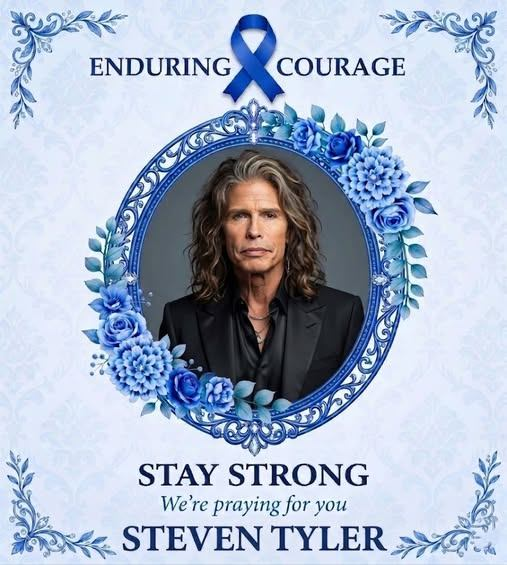
Social media has been flooded with speculation, alarming headlines, and viral posts hinting at serious medical issues. Some claim his career is over, while others insist he is quietly battling major health problems. The truth, however, lies somewhere between panic and optimism. Here’s what we actually know about Steven Tyler’s reported health condition—and why fans around the world remain deeply concerned.
The Injury That Changed Everything
The turning point in recent health concerns dates back to September 2023. During a performance early in Aerosmith’s farewell tour, Tyler suffered a serious injury to his vocal cords. At first, the band believed the damage was temporary and postponed several shows, hoping he would recover quickly.
But the situation turned out to be more severe than expected.
Doctors later confirmed that Tyler had not only damaged his vocal cords but also fractured his larynx, an injury that requires extensive healing time and ongoing medical care.
This kind of injury is particularly devastating for a singer. The larynx—often called the voice box—is essential for producing sound. Damage to it can permanently affect tone, pitch control, and stamina. For someone whose identity is built on vocal power, the stakes could not be higher.
At first, fans held onto hope. The tour, known as the farewell run, was postponed rather than canceled. Tyler himself reassured supporters that he was committed to recovery and determined to return to the stage.
But as months passed, optimism slowly gave way to reality.
The Announcement That Shocked Fans
In August 2024, the band delivered news that stunned fans across the globe. After months of treatment and recovery attempts, it became clear that Tyler’s voice might never fully return to its previous strength.
The band ultimately canceled the remainder of the farewell tour and announced retirement from touring altogether. Medical experts concluded that a full recovery from the vocal injury was unlikely, making large-scale performances impossible.
For millions of fans, this announcement felt like the end of an era. Aerosmith had spent more than five decades performing worldwide, and the farewell tour was meant to be a final celebration of their legacy.
Instead, it became an unexpected goodbye.

Why This Injury Is So Serious
Not all vocal injuries are equal. Many singers recover after rest and therapy. But Tyler’s case was different.
A fractured larynx is considered a major injury in vocal medicine. Recovery is often slow, and in some cases, complete healing is impossible. Even when healing occurs, the voice may never regain its original strength or range.
In Tyler’s situation, the injury happened during an already demanding touring schedule, meaning his vocal cords were under intense strain when the damage occurred. According to reports, doctors advised strict rest and patience—yet even with treatment, improvement remained limited.
That reality explains why fans remain worried. This isn’t simply a sore throat or temporary vocal fatigue. It’s a structural injury to the voice itself.
Still Performing—But Carefully
Despite the severity of his injury, Tyler has not completely disappeared from public life. In fact, he has made occasional appearances at special events and charity shows.
These performances are typically limited and carefully managed to avoid further strain. Even then, fans watching closely have noted subtle differences in his voice—sometimes softer, sometimes less explosive than in his prime.
Reports suggest that Tyler has been able to perform in controlled environments despite ongoing vocal issues.
This has created a strange emotional space for fans: relief that he’s still singing, mixed with concern about whether doing so could risk further damage.
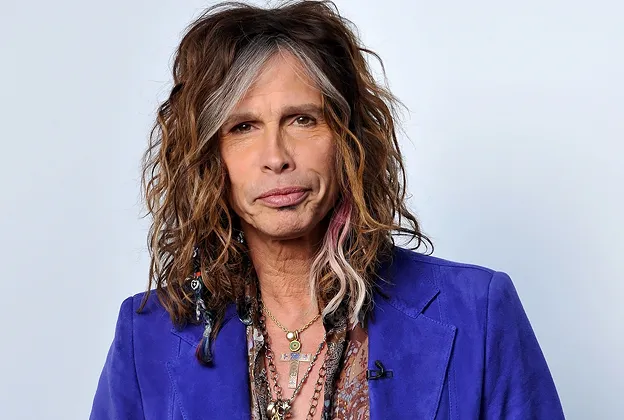
A Career Built on Physical Endurance
To understand why Tyler’s current health issues are so significant, it helps to look at his history. Performing at the level he did for decades required extraordinary stamina.
Throughout his career, Tyler endured injuries, surgeries, and physical setbacks—many caused by the intense demands of touring. Years of energetic stage performances, powerful vocals, and constant travel placed heavy strain on his body.
His vocal cords, in particular, have faced problems before. In 2006, Tyler underwent surgery after doctors discovered a ruptured blood vessel in his throat. Following treatment and recovery, he returned to performing successfully.
That history gave fans hope that he might once again overcome a major setback.
But this time, the situation appears more complicated.
The Emotional Toll on Fans
Few artists create the kind of emotional bond that Tyler has built with audiences. For generations, his voice has been tied to memories—road trips, concerts, late-night radio sessions, and personal milestones.
That’s why news of his health struggles resonates so deeply.
Online forums, fan groups, and social media platforms are filled with messages expressing concern, gratitude, and nostalgia. Many fans acknowledge that even if Tyler never tours again, his legacy is already secure.
Others remain hopeful that he may still release new music, even if live touring is no longer possible.
Bandmate Joe Perry has hinted in interviews that while large tours may be over, the possibility of future music remains open.
For fans, that possibility keeps hope alive.
The Retirement That Wasn’t Entirely the End
When Aerosmith announced retirement from touring, some assumed the band itself had ended completely. But insiders clarified that retirement from touring does not necessarily mean retirement from music.
Studio recordings, collaborations, and one-off appearances remain possible.
In fact, there have already been moments where Tyler returned briefly to the stage, including special performances tied to charity events and industry gatherings. These moments serve as reminders that while his touring days may be over, his presence in music is far from gone.
And for many fans, that distinction matters.
What Doctors Have Said About Recovery
Medical experts have emphasized that vocal recovery timelines vary widely. Factors such as age, injury severity, and vocal demands all influence the outcome.
At Tyler’s age—now in his seventies—healing can take longer than it would for younger performers. Tissue regeneration slows with age, and repeated strain over decades can make recovery more difficult.
Reports indicate that doctors recommended extensive rest and careful monitoring. Even speaking loudly or singing casually can slow healing in severe vocal injuries.
That reality highlights the delicate balance Tyler must maintain: protecting his voice while preserving his passion for performing.
Why Fans Are Still Worried
Even with official updates, concern remains widespread. Part of the worry comes from uncertainty.
Unlike injuries with predictable timelines, vocal injuries often involve unpredictable outcomes. Some singers recover unexpectedly. Others never regain full control.
Another factor is the emotional weight of seeing a legend struggle. Tyler isn’t just another performer—he’s a cultural icon whose voice defined an era.
When icons face health challenges, fans feel it personally.
The Bigger Picture: A Legacy That Endures
Regardless of what happens next, Tyler’s impact on music is already permanent. With more than five decades of performances, countless chart-topping songs, and millions of devoted fans, his influence extends far beyond the stage.
Songs like “Dream On,” “Walk This Way,” and “I Don’t Want to Miss a Thing” continue to resonate across generations. Even if Tyler never tours again, those recordings remain as powerful as ever.
And that may ultimately be the most comforting truth for fans.
Health concerns may shape the future—but they cannot erase the past.
The Truth Behind the Headlines
So what do we actually know?
- Steven Tyler suffered serious vocal cord damage and a fractured larynx in 2023.
- Doctors later determined that full recovery was unlikely, leading to the cancellation of Aerosmith’s farewell tour.
- The band officially retired from large-scale touring due to his ongoing vocal limitations.
- Tyler has continued making occasional appearances, though with caution.
These facts paint a clear—but not hopeless—picture.
Tyler is not disappearing from the world of music. He is adapting to a new reality.
A Future Written in Resilience
If there’s one trait that defines Steven Tyler, it’s resilience. Over decades, he has survived injuries, surgeries, addiction battles, and personal struggles—all while maintaining one of the most demanding careers in entertainment.
That history suggests something important: even when faced with major obstacles, Tyler has repeatedly found ways to move forward.
Whether through studio recordings, charity work, or rare performances, his connection to music—and to fans—remains strong.
And for many supporters, that is reason enough to stay hopeful.
Final Thoughts
The phrase “fans are worried” isn’t an exaggeration—it reflects genuine concern for an artist who has given so much to the world of music. But the situation is not as mysterious or catastrophic as some viral posts suggest.
Steven Tyler is dealing with a serious vocal injury—one that changed the course of his touring career. Yet he is still present, still performing occasionally, and still deeply connected to the music that defined his life.
For fans, the story isn’t just about illness or recovery.
It’s about legacy, resilience, and the enduring power of a voice that shaped rock history.