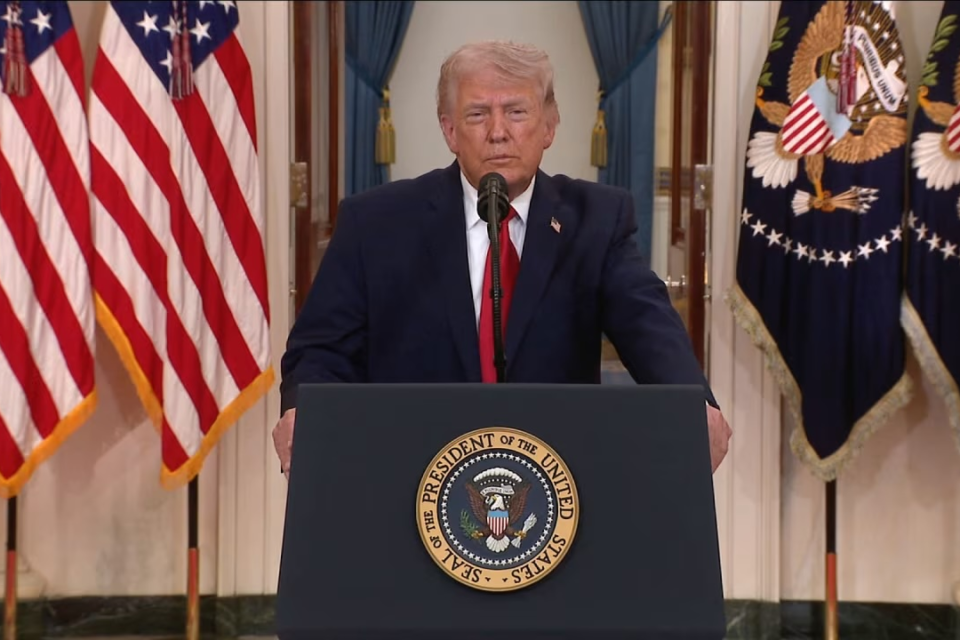
In a statement that has once again ignited debate across the political and media landscape, Donald Trump declared that he received “93% bad publicity” from what he called a “fake press,” yet still secured what he described as a “landslide” victory. The claim, delivered with his characteristic bluntness, goes beyond a simple critique of media bias—it raises deeper questions about trust, influence, and the evolving relationship between the public and the press in modern democracies.
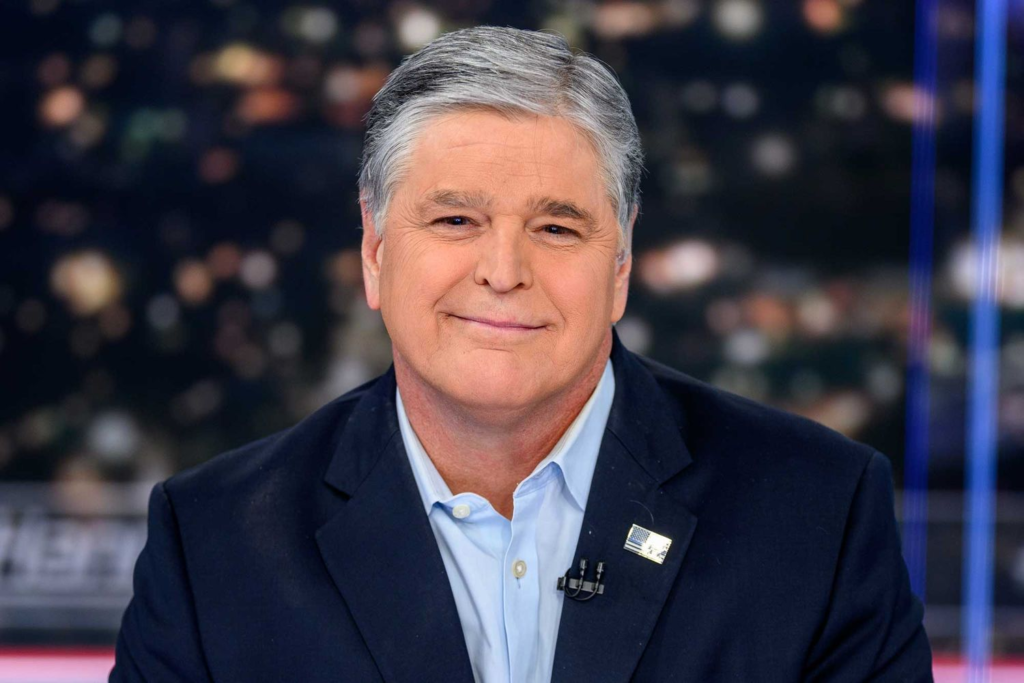
“When you get 93 to 97 bad stories, bad press, and you win in a landslide, you know what that says? People don’t believe the press! And when people don’t believe the press, that’s a very bad thing for our country.”
This statement encapsulates a narrative that has defined much of Trump’s political identity: a direct challenge to mainstream media institutions and a framing of himself as a figure standing in opposition to what he portrays as a biased and untrustworthy press.
A Familiar Conflict: Trump vs. The Media
From the earliest days of his political rise, Trump’s relationship with the media has been adversarial. He frequently accused major news organizations of spreading misinformation, labeling them as “fake news” and positioning himself as a truth-teller battling a dishonest system.
This strategy proved effective in mobilizing a significant portion of his base. By framing negative coverage as evidence of systemic bias rather than legitimate criticism, Trump was able to turn media scrutiny into a political asset. Every critical headline became, in the eyes of supporters, further proof that he was challenging entrenched power structures.
His recent remarks continue this pattern. By citing a figure as high as “93% bad publicity,” Trump emphasizes not just criticism, but what he portrays as near-total opposition from the press.
The Meaning Behind “93% Bad Publicity”
While the exact figure is difficult to verify and likely rhetorical, the underlying message is clear: Trump believes the media environment is overwhelmingly hostile toward him.
But more importantly, he argues that this hostility failed to influence voters in the way traditional political theory might expect. In fact, he suggests the opposite—that negative coverage may have strengthened his position.
This raises an important question:
What happens when negative media coverage no longer persuades the public?
Historically, the press has played a central role in shaping public opinion. Investigative reporting, editorial analysis, and political commentary have long been considered essential tools for informing voters and holding leaders accountable.
However, Trump’s statement reflects a shift in that dynamic.
A Crisis of Trust
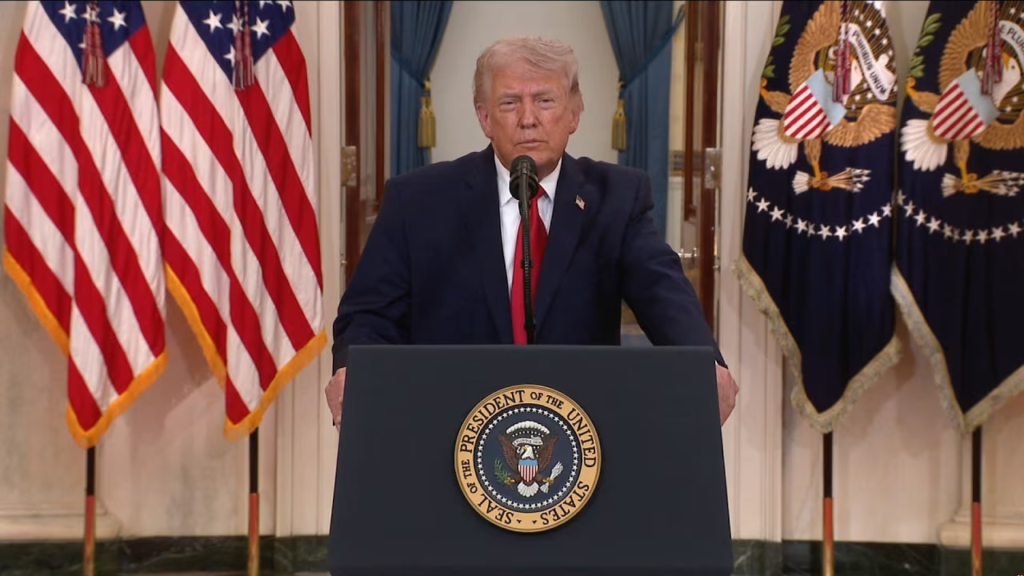
At the heart of Trump’s argument is a broader issue: declining trust in media institutions.
Over the past decade, surveys and studies have consistently shown that public confidence in traditional news outlets has eroded. This trend is not limited to one political group or one country—it is a global phenomenon.
Several factors contribute to this decline:
- Political polarization: Audiences increasingly consume news that aligns with their existing beliefs.
- Rise of social media: Platforms allow information (and misinformation) to spread rapidly without traditional gatekeeping.
- Perceived bias: Many people believe that major media organizations have ideological agendas.
Trump’s rhetoric taps directly into these sentiments. By asserting that the press is “fake,” he validates the skepticism already present among many voters.
Winning Against the Narrative
One of the most striking aspects of Trump’s claim is the idea that he succeeded despite overwhelmingly negative coverage.
Traditionally, political campaigns rely heavily on favorable media exposure to build credibility and reach undecided voters. Negative press, especially at the scale Trump describes, would typically be expected to damage a candidate’s chances.
But Trump argues that his victory—described as a “landslide”—proves that the media no longer holds that level of influence.
Instead, he suggests that voters are:
- Questioning mainstream narratives
- Seeking alternative sources of information
- Making decisions independent of traditional media framing
If accurate, this represents a significant shift in the balance of power between media institutions and the electorate.
The Role of Alternative Media
Part of this shift can be attributed to the rise of alternative media ecosystems.
Podcasts, independent journalists, online commentators, and social media influencers now play a major role in shaping political discourse. These platforms often operate outside the traditional standards and structures of mainstream journalism, offering perspectives that may be ignored or underrepresented in major outlets.
For supporters of Trump, these alternative channels provide validation and reinforcement of their views. For critics, they raise concerns about misinformation and lack of accountability.
Either way, the media landscape is no longer centralized—and that fragmentation has profound implications.
“A Very Bad Thing for Our Country”
Perhaps the most paradoxical part of Trump’s statement is his warning:
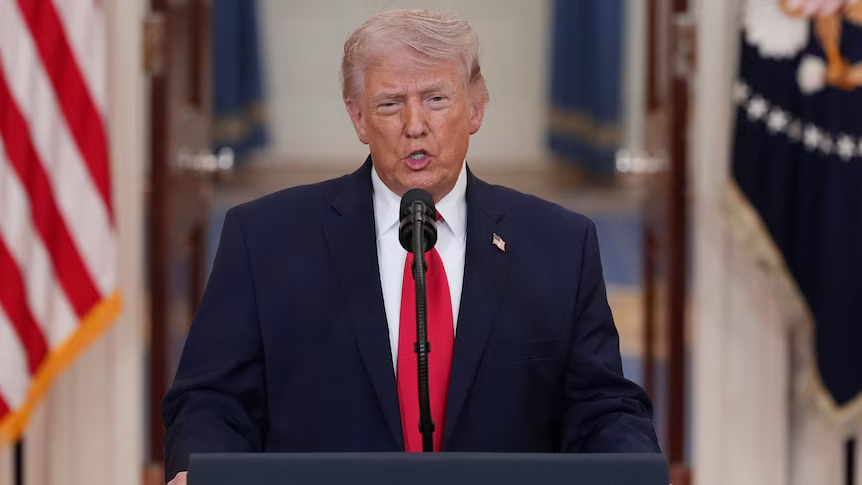
“When people don’t believe the press, that’s a very bad thing for our country.”
Despite his long-standing attacks on the media, Trump acknowledges the importance of public trust in journalism. This highlights a complex reality: even those who criticize the press recognize its essential role in a functioning democracy.
A free and credible press serves several key functions:
- Informing citizens
- Holding power accountable
- Providing a platform for diverse viewpoints
When trust in that system erodes, the consequences can be significant:
- Increased polarization
- Difficulty distinguishing fact from misinformation
- Reduced accountability for public figures
Trump’s statement, whether intentionally or not, underscores this tension.
Supporters vs. Critics
Reactions to Trump’s remarks have been sharply divided.
Supporters argue:
- The media has demonstrated clear bias against Trump.
- Negative coverage is often exaggerated or misleading.
- His success proves that voters are thinking independently.
Critics counter:
- The “fake press” narrative undermines trust in legitimate journalism.
- Negative coverage often reflects real controversies and actions.
- Discrediting the media can weaken democratic institutions.
This divide reflects a broader cultural and political polarization that extends far beyond any single figure.
The Power of Narrative
Ultimately, Trump’s statement is not just about media coverage—it’s about narrative control.
By framing himself as a victim of unfair treatment, he shifts the focus from the content of the criticism to the credibility of the source. This strategy allows him to:
- Dismiss negative stories without addressing their substance
- Strengthen loyalty among supporters
- Maintain a clear “us vs. them” dynamic
It’s a powerful approach—one that has reshaped political communication in the digital age.
A New Media Reality
Whether one agrees with Trump or not, his comments highlight a fundamental change in how information flows in modern society.
The era when a handful of major outlets could shape public opinion is fading. In its place is a fragmented, fast-moving, and often chaotic information environment.
In this new reality:
- Trust is decentralized
- Authority is constantly challenged
- Competing narratives coexist and collide
Trump’s claim of winning despite “93% bad publicity” is, in many ways, a reflection of this transformation.
Conclusion: Beyond the Headlines
The debate sparked by Donald Trump’s remarks goes far beyond one statement or one political figure.
It touches on some of the most pressing questions of our time:
- Who controls the narrative?
- What sources of information can we trust?
- And what happens when trust breaks down?
Trump’s assertion that people “don’t believe the press” may resonate with many—but his warning that this is “a very bad thing for our country” suggests an awareness of the deeper implications.
In the end, the issue is not just about media bias or political rhetoric.
It’s about the fragile relationship between truth, trust, and democracy itself.
And in a world where every headline is questioned, and every narrative contested, that relationship has never been more important—or more uncertain.