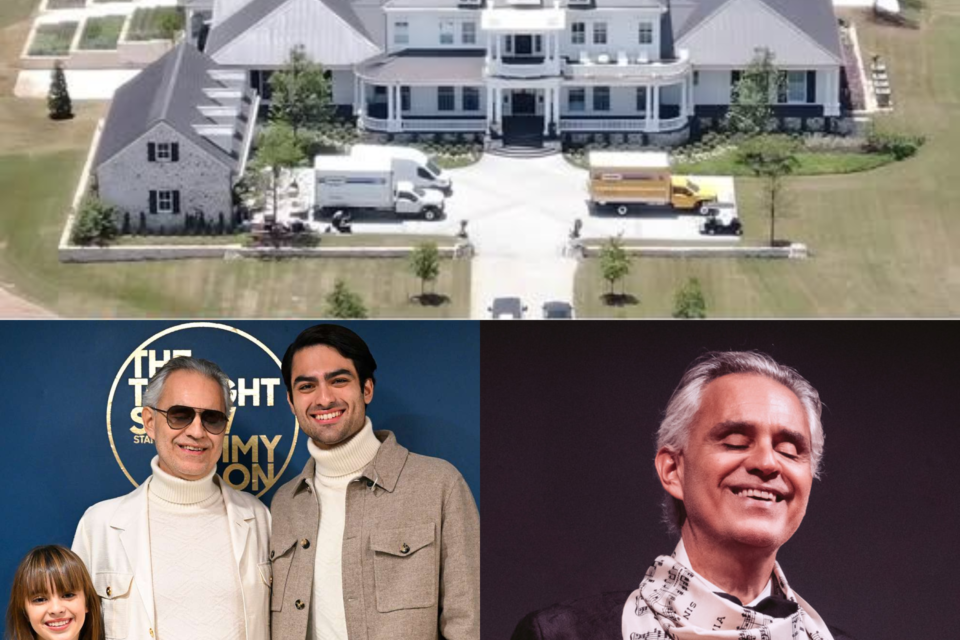
A powerful and emotional story is currently circulating online, claiming that Andrea Bocelli has quietly repurchased a modest home tied to his early life and is now converting it into a $3.2 million recovery and transitional support center for women and children facing homelessness, addiction, and domestic violence.

At first glance, the narrative is deeply compelling. It presents a full-circle moment. A world-renowned tenor returns to his roots—not for nostalgia, but to create something meaningful for others. The idea of transforming a place once associated with struggle into a sanctuary for healing resonates strongly with audiences. It is exactly the kind of story people want to believe.
However, there is a critical issue that cannot be ignored.
As of now, there is no verified confirmation from credible news outlets, official statements, or recognized organizations that this specific project exists in the form being described.
No major media platforms have reported on the purchase of such a property. There are no publicly documented permits, partnerships, or announcements tied to a $3.2 million recovery center at that location. Additionally, there has been no direct communication from Andrea Bocelli or his representatives confirming the claim.
This strongly suggests that the story may be exaggerated, partially true, or entirely fabricated for viral engagement.
That said, what makes this particular narrative believable is its alignment with something real.
Andrea Bocelli has long been associated with philanthropic efforts through the Andrea Bocelli Foundation, which focuses on empowering people and communities in situations of poverty, illiteracy, distress, and social exclusion. Because of this, the idea that he would invest in a recovery center for vulnerable individuals feels consistent with his public image and past actions.
This is a key tactic often seen in viral storytelling.
It blends truth with fiction. A real person with a real track record is placed into a new, emotionally powerful scenario. The details are specific enough to sound legitimate—such as the $3.2 million figure and the mention of a childhood home—but they are not backed by verifiable evidence.
The emotional framing does the rest.
Words like “quietly bought back,” “returning to his roots,” and “giving back to the community” are carefully chosen to evoke admiration and inspiration. They create a narrative arc that feels authentic, even in the absence of proof.
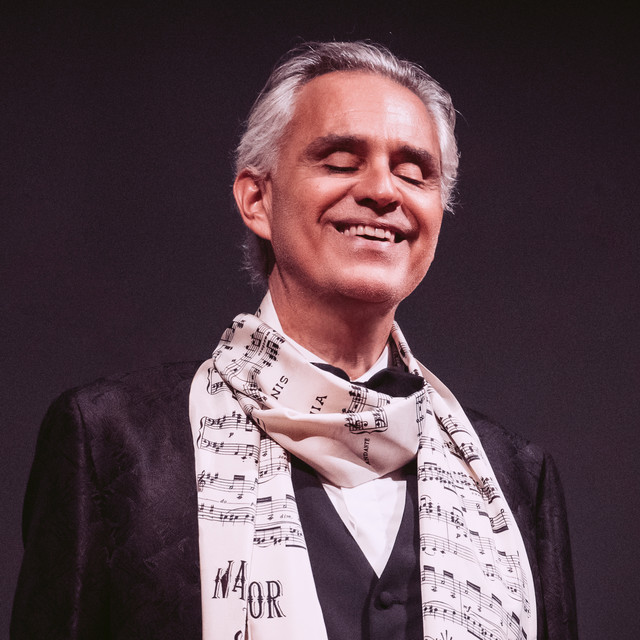
For audiences, this creates a dilemma. The story feels good. It aligns with values like generosity, compassion, and redemption. But without confirmation, it exists in a gray area between hope and misinformation.
It is important to separate two things here.
First, the reality that Andrea Bocelli continues to contribute to meaningful causes. This is well-supported by his ongoing philanthropic work.
Second, the specific claim about this $3.2 million recovery center tied to his former home. This remains unverified.
In today’s content landscape, this distinction matters more than ever. Positive misinformation can still mislead. Even when a story promotes good values, sharing unconfirmed details can distort reality and create false expectations.
From a strategic perspective, this type of content works because it taps into universal themes.
Redemption is one of the strongest narrative drivers. The idea of someone overcoming hardship and then returning to help others is deeply appealing.
Nostalgia adds another layer. A childhood or early-life home represents origin, struggle, and identity. Transforming that space into something impactful creates a symbolic transformation that audiences can easily connect with.
Finally, there is the element of quiet generosity. The phrase “no one saw coming” implies humility and sincerity, positioning the act as genuine rather than performative.
All of these elements combine to create a story that spreads quickly and resonates deeply.
But again, without verification, it remains a story—not a confirmed reality.
If such a project were real, it would likely involve multiple stakeholders: local authorities, nonprofit organizations, construction and development teams, and community partners. These kinds of initiatives typically leave a trail of documentation, from permits to press releases.
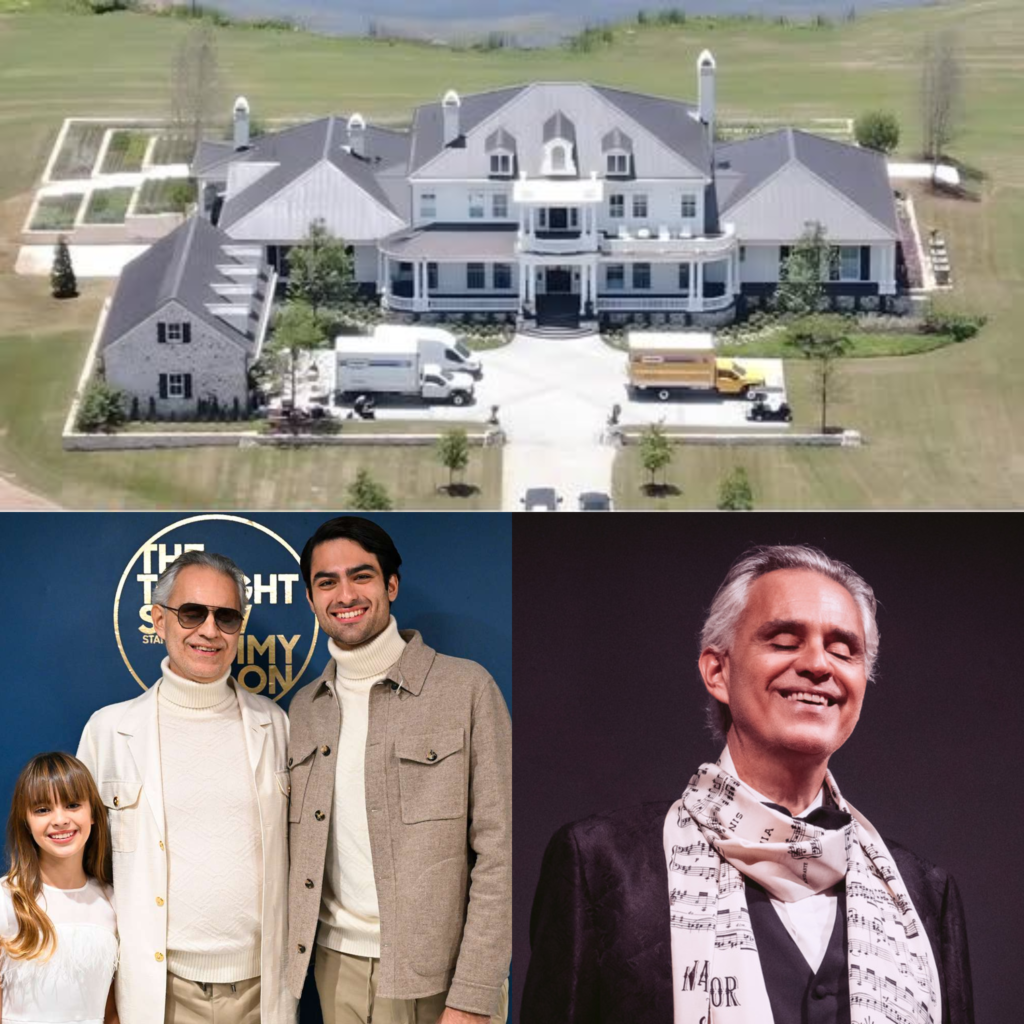
The absence of that trail is a strong indicator that the claim should be treated with caution.
For now, the most responsible approach is to appreciate the sentiment behind the story while acknowledging that it has not been confirmed.
If you are considering using this content for marketing or social media, a safer angle would be to frame it as a “reported” or “circulating” story, rather than presenting it as fact. This allows you to maintain engagement while protecting credibility.
In conclusion, while the idea of Andrea Bocelli transforming his former home into a $3.2 million recovery center is inspiring and aligns with his philanthropic image, there is currently no reliable evidence to confirm that it has actually happened.
It is a powerful narrative.
But until verified, it remains just that.